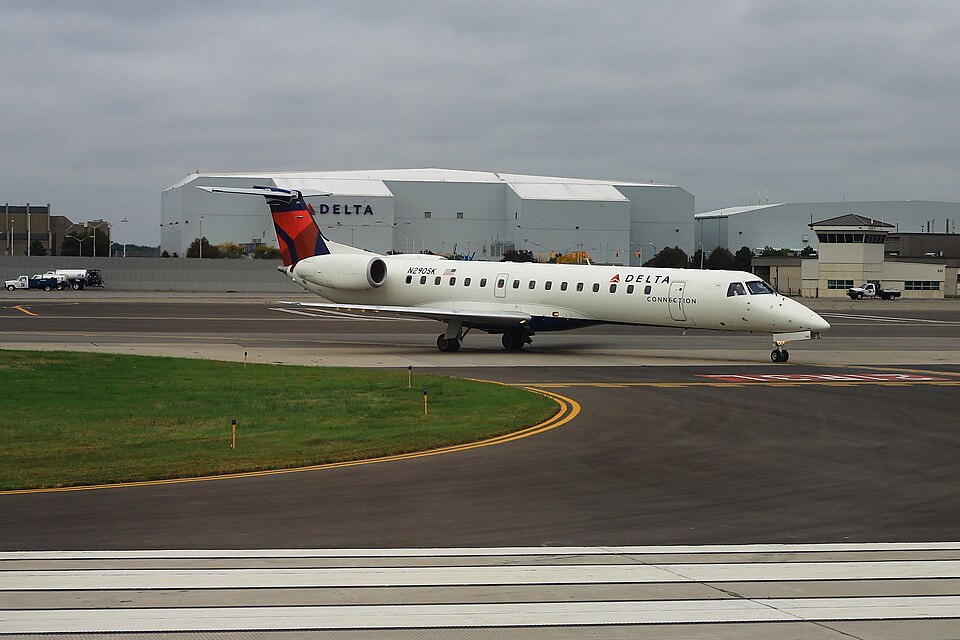
What happened
The flight was conducting an approach to the airport under adverse weather conditions, specifically flying through rain and snow. During this phase of the operation, the aircraft was descending through an altitude of 13,000 feet. Although no thunderstorm cells were depicted on the onboard weather radar at the time, the airplane was struck by lightning.
The impact of the lightning strike caused significant mechanical damage to the control system. Specifically, the strike severed two of the four elevator cables that were responsible for controlling the aircraft's pitch. Despite this critical failure in the primary control surface actuation, the pilot maintained sufficient control over the aircraft to complete the approach and land uneventfully.
The investigation
The physical examination of the aircraft confirmed the extent of the damage caused by the electrical discharge. Investigators found that two out of the four elevator cables had been severed. This loss of half the cable capacity for the elevator system represented a substantial degradation of control authority, yet the remaining cables were sufficient to allow for controlled flight and landing.
Findings
The primary contributing factor was the lightning strike itself, which occurred despite the absence of visible thunderstorm cells on the radar. The mechanical failure resulted directly from this electrical event, leading to the severing of the elevator cables. The successful outcome was due to the pilot's ability to manage the aircraft with the remaining control surfaces.