No fatalities

Fuel Exhaustion Leads to Forced Landing on Gravel Beach (N496HM)

Anacortes, WA, US

On May 31, 2002, a Cessna 172M (registration N496HM) operated by Clarence A. Miller was involved in an aviation accident near Anacortes, WA. No fatalities were reported. Investigators recorded the probable cause as: The pilot's improper decision to continue his flight after failing to take on fuel at a planned en route refueling stop, which lead to a loss of power from fuel exhaustion while on final approach to his round-robin final destination. This summary draws on records from the U.S. National Transportation Safety Board (NTSB) historical archive.

Sourcesthe U.S. National Transportation Safety Board (NTSB) historical archivePrimary reportUpdated 2026-07-04Data APIEditorial standards
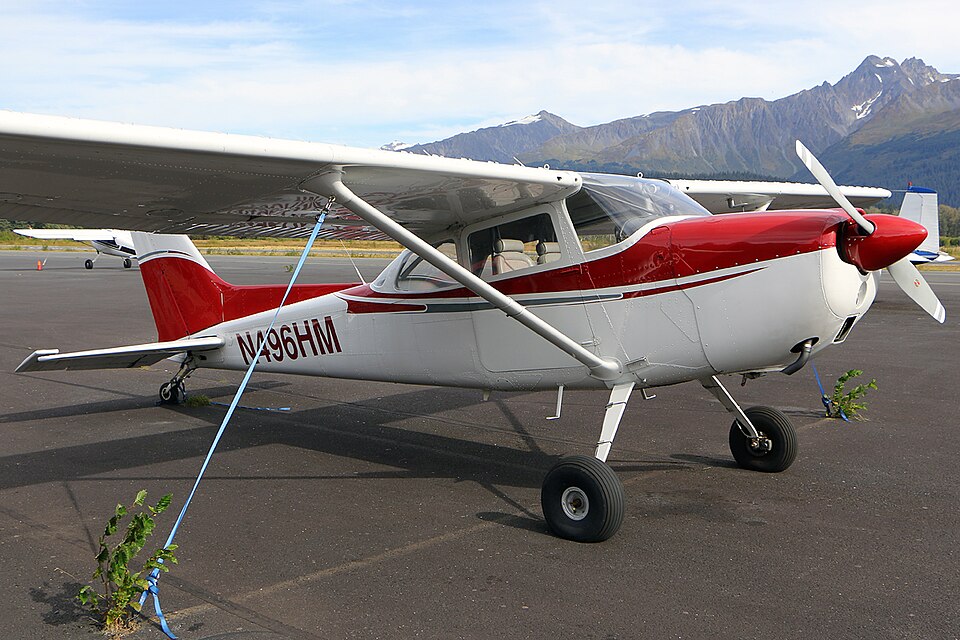
Aircraft registered N496HM
Aircraft registered N496HM. Photo: Jeroen Stroes Aviation Photography from Netherlands / CC BY 2.0, via Wikimedia Commons

A pilot on a round-robin cross-country flight ran out of fuel on final approach after failing to locate fuel and not accounting for previous day's flight duration.

Event Overview

A pilot conducting a round-robin cross-country flight experienced a fuel exhaustion event while on final approach to the initial departure point. The sequence began after the pilot arrived at his initial destination and found the runway closed for repairs. He then retraced his outbound route in search of fuel.

Attempts to Refuel

The pilot landed at an agricultural airstrip but determined that no fuel was available there. Following departure from that location, he attempted to land at a municipal airport in a nearby town but was unable to locate the runway. Subsequently, he decided to return to his starting point without refueling.

Forced Landing

While on final approach to the initial departure airport, the aircraft's engine ceased due to fuel exhaustion. The pilot executed a forced landing on a nearby gravel beach. The touchdown was uneventful, but during the landing roll, the aircraft nosed over on the soft terrain.

Pilot Accounting

According to the pilot, he did not keep an accurate tally of his fuel burn and total time airborne. He also failed to account for a one hour and forty minute flight conducted on the previous day when considering his fuel situation en route. Additionally, it was determined that the fuel quantity gauges did not accurately reflect the total amount of fuel onboard while airborne.

Frequently asked questions

What happened in the 31 May 2002 Cessna 172M accident near Anacortes, WA?

A pilot on a round-robin cross-country flight ran out of fuel on final approach after failing to locate fuel and not accounting for previous day's flight duration.

Were there any fatalities in the 31 May 2002 Cessna 172M accident?

No fatalities were recorded in this accident.

What aircraft was involved and where did it happen?

The accident on 31 May 2002 involved a Cessna 172M, registration N496HM, operated by Clarence A. Miller, at Anacortes, WA.

What was the probable cause of the accident?

The pilot's improper decision to continue his flight after failing to take on fuel at a planned en route refueling stop, which lead to a loss of power from fuel exhaustion while on final approach to his round-robin final destination. Factors include inaccurate fuel quantity gauges, no suitable terrain on which to…

Investigation report by the U.S. National Transportation Safety Board (NTSB) historical archive. Original record: https://carol.ntsb.gov/event/20020612X00860. This page is a structured re-presentation; facts and quotes are in the National Transportation Safety Board (NTSB), United States.