Incident Details
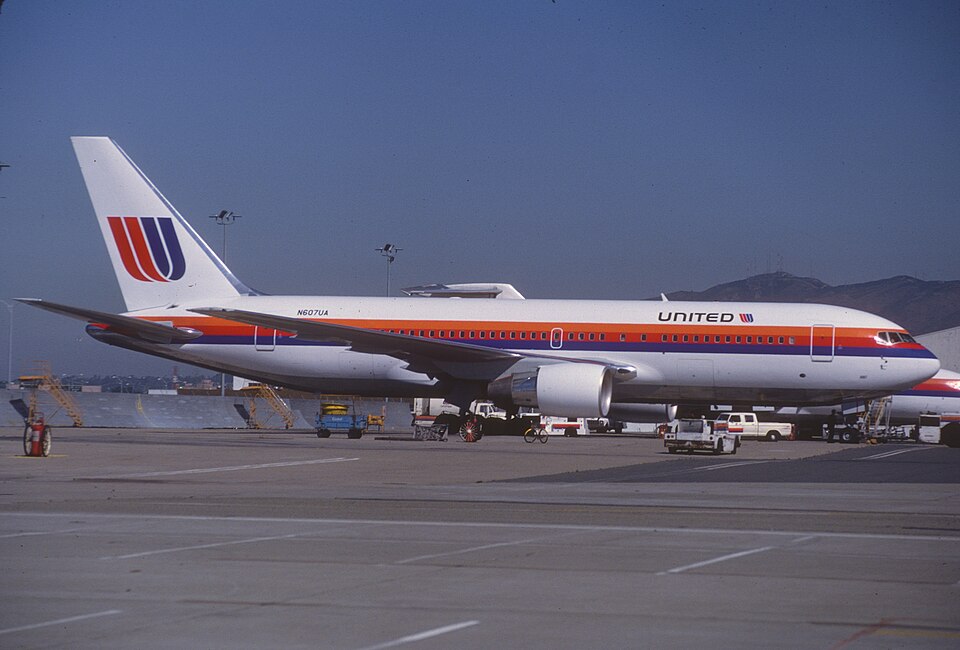
A Boeing 767 struck three birds during its initial climb from runway 22. One double-crested cormorant was ingested by the #2 engine, another struck the right wing, and a third bird was found seriously injured on the runway. The airplane returned to the airport and landed without further incident.
Damage Assessment
Post-flight examination revealed damage to the right inboard leading edge slat, the landing light, and the #2 engine bypass stator vanes.
Wildlife Hazard Management
A review of the airport's Wildlife Hazard Management Plan indicated that earlier that morning, two wildlife technicians reported "heavy bird activity" to the control tower. The airport's Automated Terminal Information System (ATIS) was updated to reflect the hazard and remained active at the time of the incident.
Prior to the airplane's takeoff, one of the wildlife plan supervisors reported a flock of birds to the control tower, stating they were flying about 200 feet over the approach end of runway 15, moving southbound. A tower controller acknowledged that the birds were in sight. Shortly thereafter, another airplane departed runway 22 without incident, followed by the incident airplane.
Air Traffic Control Communications
A review of air traffic control communications revealed that no specific warning was given to either crew, as the birds were not in their flight path. It was believed that the flock split into two or three separate flocks after the other airplane took off, with one flock turning east and directly into the path of the incident airplane.