No fatalities

Turbulence Event During Descent into Miami Injures Two Flight Attendants (N790AN)

Miami, FL, US

On February 25, 2003, a Boeing 777-223 (registration N790AN) was involved in an aviation accident near Miami, FL. No fatalities were reported. Investigators recorded the probable cause as: The flight crew's inadvertent encounter with turbulence while attempting to maneuver through an area of convective activity during descent. This summary draws on records from the U.S. National Transportation Safety Board (NTSB) historical archive.

Sourcesthe U.S. National Transportation Safety Board (NTSB) historical archivePrimary reportUpdated 2026-07-04Data APIEditorial standards
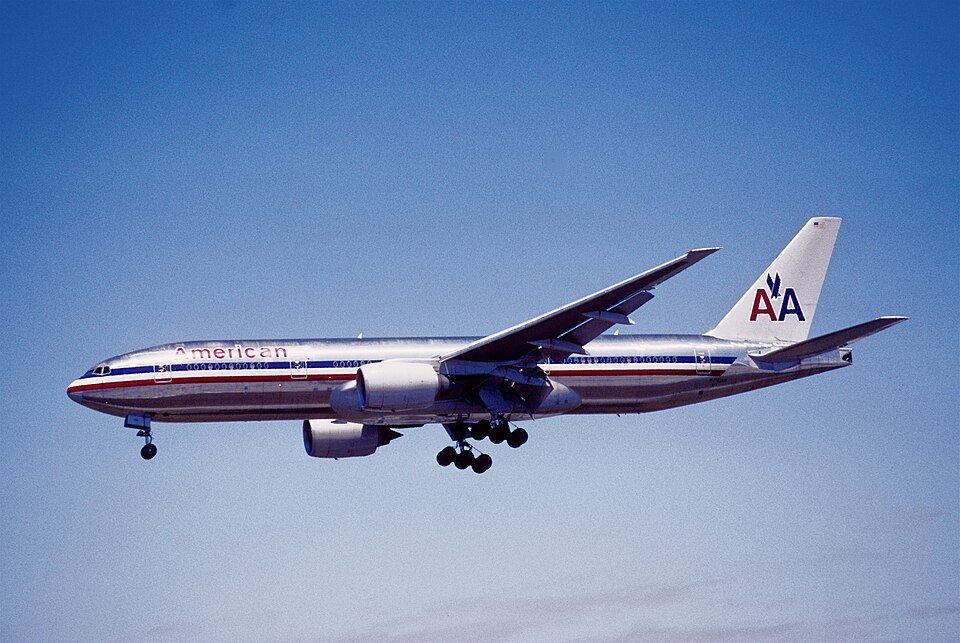
Aircraft registered N790AN
Aircraft registered N790AN. Photo: Aero Icarus from Zürich, Switzerland / CC BY-SA 2.0, via Wikimedia Commons

During descent into Miami, an airliner encountered moderate turbulence, causing a 2.04g vertical load. Two flight attendants were injured. Radar showed strong storm cells nearby.

Flight Encounter

While descending into Miami, the flight crew deviated well south of a few small cumulus clouds. They had reduced speed to turbulence penetration speed prior to encountering light chop at about FL240. The captain made a public address to flight attendants and passengers during the descent, asking that the cabin be prepared for landing early due to possible chop.

Turbulence Event

The aircraft encountered a brief pocket of moderate chop. At the time, the seatbelt sign was on, and the cabin crew was securing the cabin for landing. The purser had made the announcement for passengers to prepare for landing right after the captain's pre-landing announcement. Several minutes after the event, the number one flight attendant advised the captain that two flight attendants in the aft part of the airplane had been injured.

Weather Conditions

A convective SIGMET was valid for Florida and coastal waters at the time of the turbulence encounter. Radar images from the Miami Weather Surveillance Radar (WSR-88D) identified multiple storm cells in the area. The core intensity of these cells was strong to intense (40 to 50 dBZ). A radar image taken about the time of the turbulence encounter shows the airplane's path came about five nautical miles from the core of one cell and three nautical miles from the core of a second cell.

Aircraft Response

During the event, the airplane experienced a 2.04 g vertical acceleration load, 6 degrees of left roll, and a pitch change from -0.4 degrees to -2.1 degrees.

All Boeing 777-300ER accidents →

Frequently asked questions

What happened in the 25 Feb 2003 Boeing 777-223 accident near Miami, FL?

During descent into Miami, an airliner encountered moderate turbulence, causing a 2.04g vertical load. Two flight attendants were injured. Radar showed strong storm cells nearby.

Were there any fatalities in the 25 Feb 2003 Boeing 777-223 accident?

No fatalities were recorded in this accident.

What aircraft was involved and where did it happen?

The accident on 25 Feb 2003 involved a Boeing 777-223, registration N790AN, at Miami, FL.

What was the probable cause of the accident?

The flight crew's inadvertent encounter with turbulence while attempting to maneuver through an area of convective activity during descent.

Investigation report by the U.S. National Transportation Safety Board (NTSB) historical archive. Original record: https://carol.ntsb.gov/event/20030304X00276. This page is a structured re-presentation; facts and quotes are in the National Transportation Safety Board (NTSB), United States.