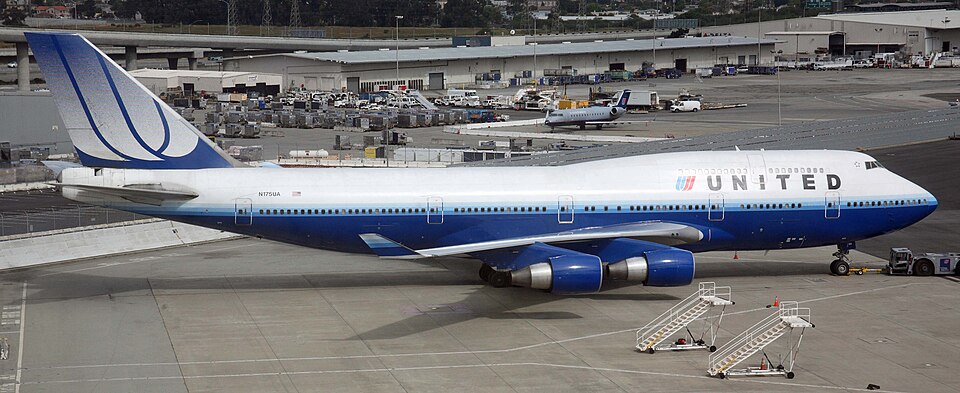
Incident Overview
During normal cruise flight, the crew encountered lateral control problems and declared an emergency. The aircraft landed safely at the intended destination.
Water Leak Discovery
Approximately five hours from the destination, the cabin crew identified evidence of a water leak. Efforts to control the leak were partially effective, but it was not completely stopped. Water was reported coming from the upper deck and flowing through the main deck ceiling.
Control Anomalies
The flight was directed by air traffic control to make an enroute course change. When the command was entered into the Flight Management Computer (FMC), the aircraft began a shallow left turn instead of the required right turn. Initial attempts to disconnect the autopilot were unsuccessful, and the autopilot was manually overridden. The relief first officer at the controls reported that the controls "felt unusual" and "stiff." The captain stated that elevator and rudder were normal, but bank angle was limited. The landing was accomplished smoothly and safely, and the aircraft taxied to the gate without incident. After landing, the captain noted that the controls felt normal.
Post-Inspection Findings
Ramp personnel reported a significant amount of water draining from the fuselage and the drain masts at the gate. A post-incident examination revealed that areas of the main deck carpeting were saturated. The canted pressure deck overboard drains were not obstructed. A 6-inch long by 0.125-inch wide gap was located along the outboard edge of the canted pressure bulkhead on the right side of the aircraft; the seam was not sealed as required. Immediately aft of the canted pressure bulkhead were aileron and flight spoiler control cables.
Electrical and Maintenance Issues
Four circuit breakers common to the external drain line heaters were found open. The external drain lines route wastewater from the cabin overboard. The breakers were pulled in conjunction with routine cleaning of the drain lines prior to departure. Ground functional testing of the aileron controls, aileron trim, and autopilot did not find any anomalies. A flight test later verified in-flight operation of the flight controls and potable water system, with no anomalies noted.
Maintenance Program Status
Airline procedures related to routine inspection and cleaning of the external drains were reviewed; resetting of the drain heater circuit breakers was the last item. A service bulletin had been issued recommending testing, cleaning, and inspection of the canted pressure deck drainage system (overboard drains), a general visual inspection of the deck structure, and a pressurization test. The bulletin instructions included a visual inspection for loose, missing, or cracked sealant. The airline was in the process of incorporating the service bulletin into its maintenance program; as a result, the initial service bulletin procedures had not been completed prior to the incident.
Regulatory Compliance
An airworthiness directive (AD) requiring cleaning of "the cavity aft of the wing center section" and verification that all drains were open and clean was in effect at the time of the incident and had been complied with. A new AD was issued following the incident, mandating full compliance with the existing service bulletin.