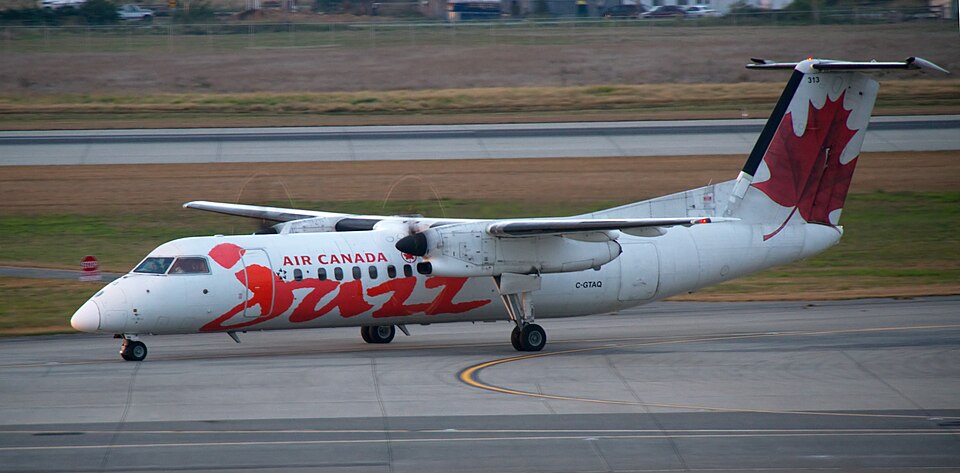
Incident Details
The flight crew received clearance from Seattle Center for a visual approach to Runway 16 Right. Upon reaching the vicinity of Elliot Bay, they contacted Seattle-Tacoma Tower and were cleared to land on Runway 16 Right, sequenced as number two behind a 737 that was then touching down. Due to the distance between their aircraft and the preceding 737, neither crew member saw the aircraft they were following.
The Captain, who was flying the aircraft, aligned the aircraft with what he believed to be Runway 16 Right. He continued the approach and completed what he perceived as an uneventful landing. Shortly after touchdown, the tower informed the flight crew that they had landed on Taxiway Tango.
Pilot's Observations
The Captain reported that during the final approach, an overcast condition existed over the approach end of the runway, which was dry. Bright sunshine was present to the south of the airport, creating a glare on the runway surface. According to the Captain, this caused the area around the approach end of the runway to appear as a single dark color (shadow), making it difficult to distinguish between Runway 16 Right and Taxiway Tango.
The Captain also stated that he had flown into Seattle-Tacoma Airport many times and was aware of the large "X" marking located just off the north end of Taxiway Tango. However, due to the contrast between the glare on the runway and the dark area around the approach end, he did not notice that he had flown over the "X" just before touching down on the taxiway.
Conclusion
The incident illustrates how environmental factors such as lighting and cloud cover can affect a pilot's perception during landing. No additional details regarding the aircraft type, occupants, or injuries were provided in the source.