No fatalities

Runway Hump and Wind Shift Lead to Nosedown Landing (N400DH)

Monticello, UT, US

On March 15, 2004, a Cessna 182P (registration N400DH) was involved in an aviation accident near Monticello, UT. No fatalities were reported. Investigators recorded the probable cause as: The pilot's failure to maintain adequate airspeed during takeoff, which resulted in a stall and subsequent impact with the ground. Contributing factors were the soft dirt runway surface, a hump on the runway, and a wind shift from a headwind to a tailwind. This summary draws on records from the U.S. National Transportation Safety Board (NTSB) historical archive.

Sourcesthe U.S. National Transportation Safety Board (NTSB) historical archivePrimary reportUpdated 2026-06-19Data APIEditorial standards
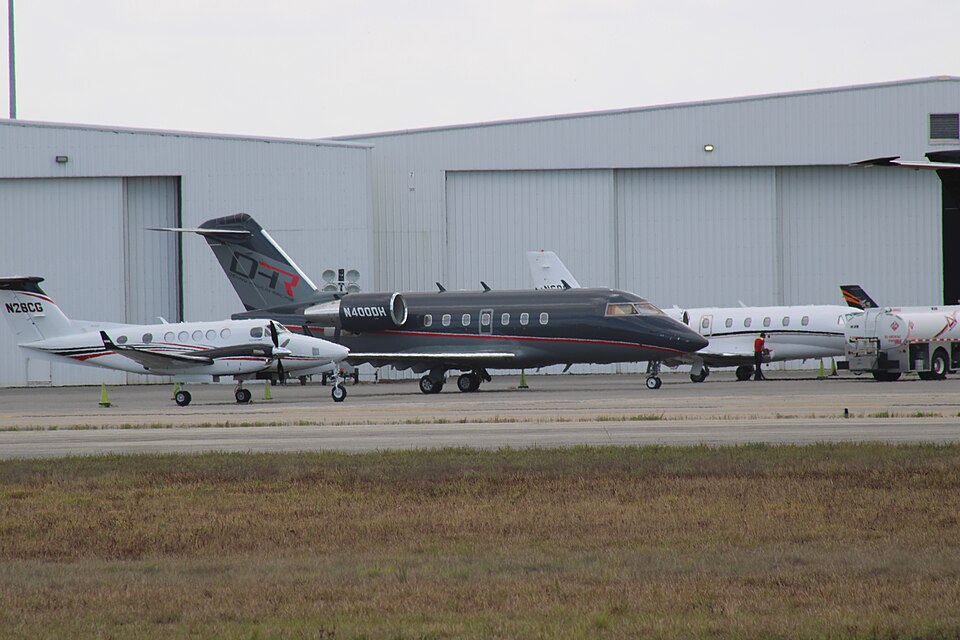
Aircraft registered N400DH
Aircraft registered N400DH. Photo: ZLEA / CC BY-SA 4.0, via Wikimedia Commons

Aircraft departed eastward into variable winds, struck a runway hump, then encountered a sudden wind shift that caused it to settle into bushes at the departure end.

What happened

The pilot evaluated the local weather conditions prior to departure, noting that winds were variable between 7 and 10 knots with gusts reaching 15 knots, generally coming from the east. Based on these conditions, the pilot elected to depart toward the east.

During the takeoff roll, the airplane experienced a slow ground roll due to the soft dirt surface of the runway. Approximately two-thirds down the runway, the aircraft struck a hump on the runway surface and subsequently became airborne. To gain airspeed, the pilot lowered the nose slightly.

However, at the end of the runway, the wind shifted from a headwind to a tailwind. This sudden change in wind conditions caused the airplane to settle into the juniper bushes located at the departure end of the runway. The impact resulted in a nosedown attitude and substantial damage to the aircraft.

The investigation

The investigation focused on the sequence of events during takeoff and the immediate aftermath. Key findings included:

  • The ground roll was slower than expected due to the soft dirt surface.
  • The airplane struck a hump on the runway before becoming airborne.
  • The wind shifted from a headwind to a tailwind at the end of the runway.
  • The airplane settled into juniper bushes and nosed over.

Findings

Contributing factors to this accident included:

  • Variable winds with gusts to 15 knots.
  • Soft dirt runway surface affecting ground roll.
  • Runway hump struck during takeoff.
  • Wind shift from headwind to tailwind at the end of the runway.

Probable cause

The pilot's failure to maintain adequate airspeed during takeoff, which resulted in a stall and subsequent impact with the ground. Contributing factors were the soft dirt runway surface, a hump on the runway, and a wind shift from a headwind to a tailwind.

Frequently asked questions

What happened in the 15 Mar 2004 Cessna 182P accident near Monticello, UT?

Aircraft departed eastward into variable winds, struck a runway hump, then encountered a sudden wind shift that caused it to settle into bushes at the departure end.

Were there any fatalities in the 15 Mar 2004 Cessna 182P accident?

No fatalities were recorded in this accident.

What aircraft was involved and where did it happen?

The accident on 15 Mar 2004 involved a Cessna 182P, registration N400DH, at Monticello, UT.

What was the probable cause of the accident?

The pilot's failure to maintain adequate airspeed during takeoff, which resulted in a stall and subsequent impact with the ground. Contributing factors were the soft dirt runway surface, a hump on the runway, and a wind shift from a headwind to a tailwind.

Investigation report by the U.S. National Transportation Safety Board (NTSB) historical archive. Original record: https://carol.ntsb.gov/event/20040316X00325. This page is a structured re-presentation; facts and quotes are in the National Transportation Safety Board (NTSB), United States.