What happened
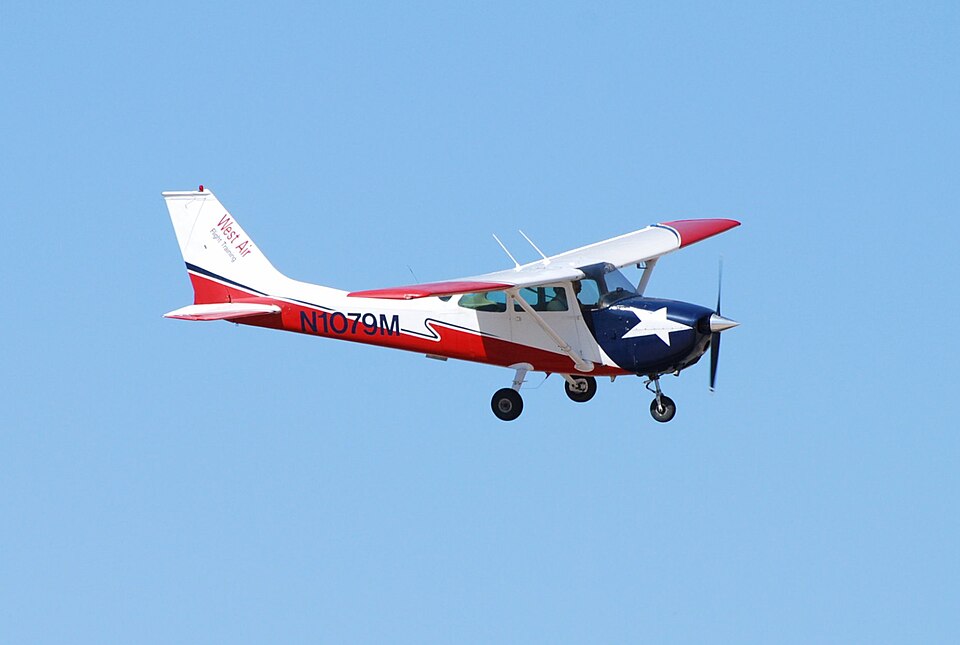
The accident occurred while a student pilot with approximately 31 hours of flight time was operating a light aircraft. During the final approach phase, specifically when transitioning from the downwind leg to the base leg of the traffic pattern, the engine suddenly lost power. Unable to maintain altitude or reach a suitable landing area, the pilot executed an emergency force-landing on a public street.
During this uncontrolled descent and impact sequence, the left wing of the aircraft struck a street sign located near the roadway. This collision caused significant structural damage to the wing spar. The pilot managed to bring the aircraft to a stop without further incident, though the airframe sustained substantial damage from the ground contact.
The investigation
Following the accident, investigators conducted a thorough examination of the aircraft's propulsion system to determine if mechanical failure was the primary cause of the power loss. The engine was removed and subjected to a detailed test run under controlled conditions.
The post-accident testing revealed no operational anomalies or mechanical defects that would explain the in-flight power loss. The engine appeared to function normally during ground tests, suggesting that the issue may have been related to fuel supply, pilot error, or an external factor rather than a mechanical failure of the engine itself.