Casualties unknown

2007-04-11: Cessna 210N (N77RE) — Charlotte, MI

Charlotte, MI, US

On April 11, 2007, a Cessna 210N (registration N77RE) was involved in an aviation accident near Charlotte, MI. Investigators recorded the probable cause as: The pilot's inadequate compensation for the wind conditions, inadequate landing flare, failure to maintain directional control, and encounter with a pilot-induced oscillation (porpoise. A contributing factor was the wind gust. This summary draws on records from the U.S. National Transportation Safety Board (NTSB) historical archive.

Sourcesthe U.S. National Transportation Safety Board (NTSB) historical archivePrimary reportUpdated 1781061362Data APIEditorial standards
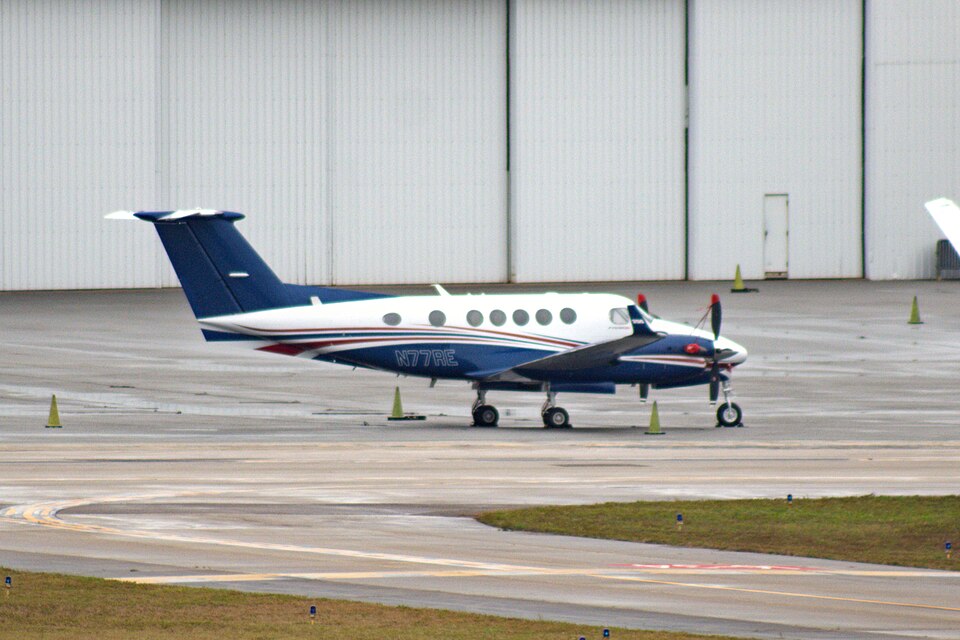
Aircraft registered N77RE
Aircraft registered N77RE. Photo: ZLEA / CC BY-SA 4.0, via Wikimedia Commons

During landing on runway 2, a strong gust at one foot above the runway caused a hard impact, porpoising, and veer-off. Nose and left main landing gear collapsed; the aircraft sustained substantial damage.

Incident Overview

A hard landing and subsequent runway excursion occurred when a strong gust of wind affected the aircraft at the moment of touchdown. The pilot reported that the approach appeared normal until the final stage.

Pilot Report

According to the pilot, the winds at the destination were from 100 degrees with gusts up to 15 knots. The pilot set up for landing on runway 2 and described the approach as "normal." At approximately one foot above the runway, a strong gust caused the aircraft to hit the runway hard. The aircraft then began to porpoise. The pilot responded by adding power. During this sequence, the nose wheel sustained damage, causing the aircraft to veer to the left of the runway.

Landing Gear Collapse

Following the veer-off, the nose landing gear and left main landing gear collapsed. The pilot noted that there were no malfunctions with the aircraft prior to the accident. The airplane was substantially damaged as a result of the hard landing and runway excursion.

Wind Conditions

The reported wind direction of 100 degrees and gusting to 15 knots were present at the time of the landing. The gust encountered at low altitude likely contributed to the hard touchdown.

Investigation report by the U.S. National Transportation Safety Board (NTSB) historical archive. Original record: https://carol.ntsb.gov/event/20070511X00551. This page is a structured re-presentation; facts and quotes are in the National Transportation Safety Board (NTSB), United States.