Incident Overview
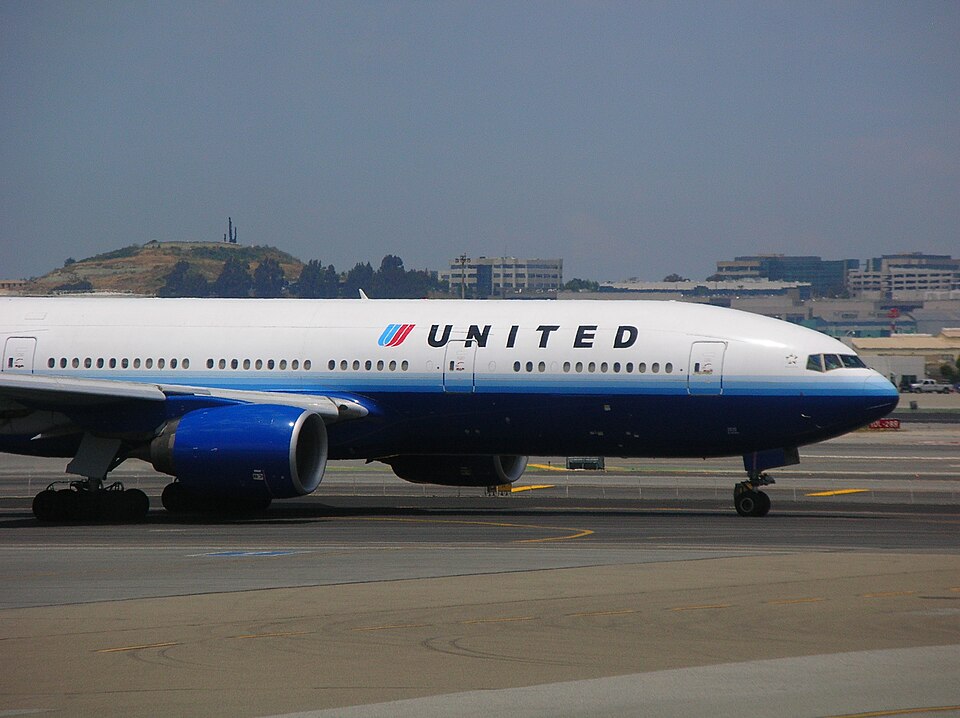
During an approach for landing, approximately 13 miles from the airport, the flight crew was informed that the cabin was filling with smoke. The cabin crew was unable to determine the source of the smoke. In response, the captain declared an emergency to expedite landing. The first officer performed a normal landing and turned off on the first high-speed taxiway, at which point he noticed a low oil indication on the right engine. The engine was subsequently shut down.
Evacuation and Injuries
The captain elected to initiate an emergency evacuation due to the uncertainty of the situation and the possibility of a fire on-board. During the evacuation, one passenger sustained a fracture of a vertebra.
Post-Accident Findings
Post-accident examinations revealed a low oil quantity in the right engine, with metallic deposits on one of the engine chip detectors. A detailed teardown inspection of the right engine revealed the #2 bearing had failed. The compressor gas path exhibited oil deposits consistent with oil migration into the airplane's environmental system. The cabin pressurization system utilized 8th and 15th stage engine compressor bleed air. No evidence of an engine or cabin fire was observed.
Manufacturer and Operator Actions
The engine manufacturer had released an improved bearing design prior to the accident. At that time, the operator began replacing the bearings on an attrition basis when the original bearings were no longer serviceable. However, the operator has revised that policy and is proactively replacing the original bearings, regardless of condition, with the improved bearings.