What happened
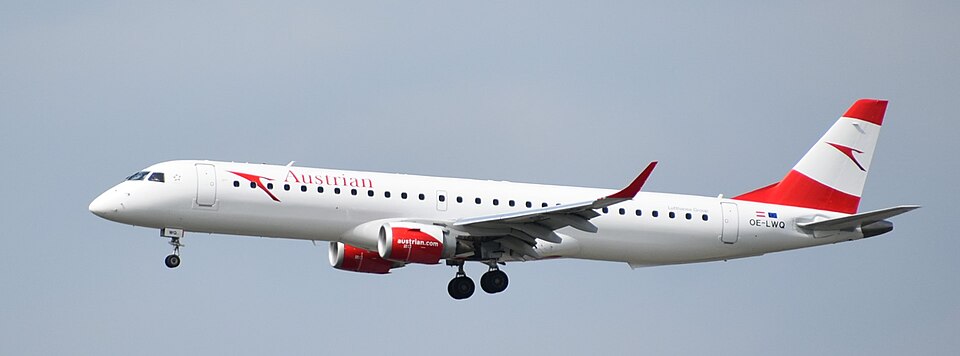
On September 21, 2019, an Airbus A321 (registration HALXN) was operating a flight at FL360 from Warsaw FIR to Sweden FIR. Simultaneously, an Embrałer 195 (registration OE-LWQ) was flying in the opposite direction at FL350. At approximately 07:43 UTC, the controller at Warsaw ACC transferred HALXN to Malmo ATCC.
As the two aircraft were approximately 7 NM apart, the crew of HALXN initiated a descent. This maneuver triggered two alerts within the PEGASUS-21 surveillance system: a level bust alert for HALXN and a Short Term Conflict Alert (STCA) indicating a predicted collision between the two aircraft. The controller at Warsaw ACC observed that the crew of HALXN had set a target altitude of FL290. To prevent a collision, the controller instructed the crew of OE-LWQ to execute an immediate right turn to heading 270.
During this sequence, the OE-LWQ crew declined the controller's instruction, reporting instead that their TCAS system had issued a Resolution Advisory (RA) commanding a descent. The crew followed the TCAS RA. The minimum separation achieved between the aircraft was 3.95 NM horizontally and 700 ft vertically, failing to meet the required separation standards of 5 NM and 1000 ft.
The investigation
The investigation examined the surveillance data from the PEGASUS-21 system and the communications between Warsaw ACC and Malmo ATCC. The investigation established that the descent of HALXN was unauthorized and that the controller at Malmo ATCC had previously cleared the aircraft to descend despite being aware of the conflicting traffic represented by OE-LWQ.
Findings
- The primary cause of the incident was the issuance of a descent clearance to HALXN by the Malmo ATCC controller despite known conflicting traffic from OE-LWQ.
- The crew of HALXN initiated a descent to FL290 without authorization, resulting in a level bust.
- The crew of OE-LWQ prioritized the TCAS Resolution Advisory over the air traffic controller's instruction.
Safety action
- The SMS Event Investigation Manager will forward the report to the Area Control Manager to analyze potential changes to the Letter of Agreement (LoA) between Warsaw ACC and Malmo ATCC.
- The investigation materials and multimedia data will be provided to the ATS Personnel Training Center for use in initial and recurrent training programs.