What happened
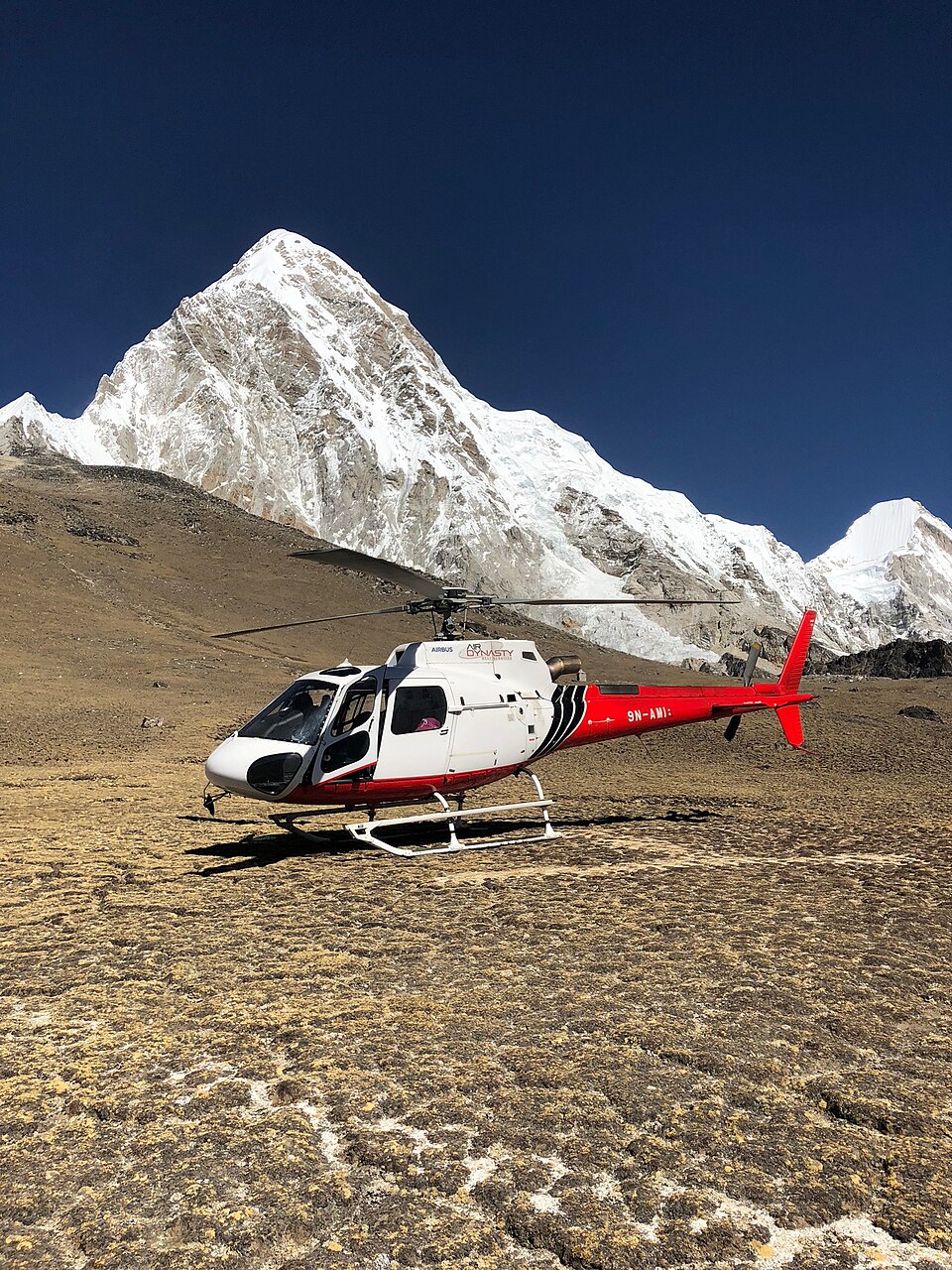
On February 27, 2019, an H125 (AS350B3e) helicopter, registration 9N-AMI, operated by Air Dynasty Heli Services Pvt. Ltd., crashed near Sisne Vir, Pathibara, Nepal. The aircraft was carrying the pilot and seven Nepalese passengers, including the Minister of Culture, Tourism and Civil Aviation.
The flight sequence began with an approved mission from Kathmandu to Panchthar, which the pilot later modified via radio to include Terathum. After completing a leg to Terathum, the helicopter departed Chuhandada for Pathibhara without prior regulatory approval. Approximately 45 minutes after landing at Pathibhara, the helicopter departed for a return flight to Kathmandu. Within one minute of takeoff, the aircraft struck a rocky hill at an altitude of 10,350 feet, resulting in a post-crash fire and the deaths of all individuals on board.
The investigation
The Aircraft Accident Investigation Commission examined the wreckage, analyzed meteorological reports, and reviewed V2 tracker data. The investigation included interviews with flight and ground crews, eyewitnesses, and officials from the Civil Aviation Authority of Nepal (CAAN). Technical expertise was also sought from Airbus Helicopters, Safran Helicopters, and the BEA France. The commission specifically looked into the pilot's decision-making, the aircraft's weight and balance, and the prevailing weather conditions at the time of the accident.