History of the Flight
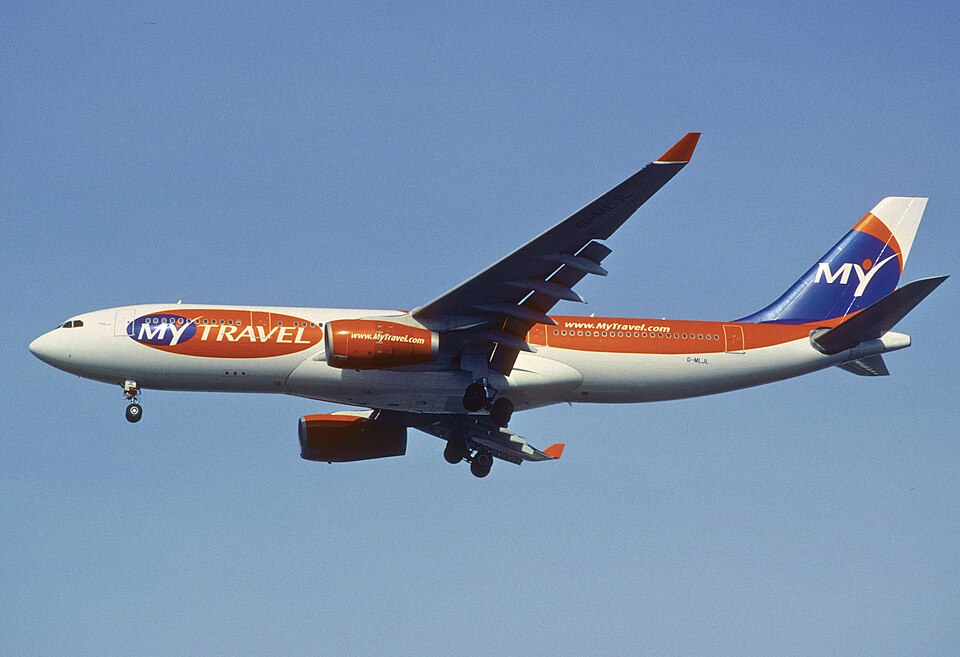
On 2 August 2019, an Airbus A330-243, registration G-MLJL, departed from Varadero Airport, Cuba, on a commercial passenger flight to Manchester Airport. During the climb, the flight crew observed several significant thunder clouds that were not displayed on the aircraft's weather radar. Switching from System 1 (WRS1) to System 2 (WRS2) resolved the issue.
Approaching the SUMRS waypoint, the aircraft was in cloud at FL370, avoiding weather radar returns. The seat belt signs had been switched on five minutes earlier as a precaution during light turbulence. The aircraft was 30 nm clear of the nearest weather radar target when it entered a denser cloud area, and turbulence increased. The commander made a public address instructing the cabin crew to take their seats immediately. Less than five seconds later, the aircraft experienced severe turbulence, causing a 500 ft altitude gain and autopilot disconnection. The severe turbulence lasted approximately 90 seconds, accompanied by the sound of hail striking the aircraft's nose. After the turbulence subsided, the autopilot was reconnected, and the aircraft returned to its assigned cruising level. Light to moderate turbulence continued for the next hour, during which WRS2 failed. The degraded WRS1 was used for the remainder of the flight.
During the severe turbulence, one cabin crew member in the aft galley was unable to stow their catering cart immediately. The crew member applied the cart's brakes and attempted to wedge it safely, but their foot and ankle became trapped beneath it until other crew members could free them. This crew member sustained a broken ankle. Another cabin crew member later reported bruising to their back and shoulders that was not apparent at the time. After consulting with Medlink, the commander decided to continue to Manchester, where the injured crew member received hospital treatment.
Post-flight inspections revealed minor surface damage to the aircraft's radome.
Meteorology
The significant weather forecast chart for the flight indicated that occasional, isolated, and embedded cumulonimbus (CB) clouds could be expected until passing waypoint DRYED, approximately 2 hours and 30 minutes into the flight. The presence of CB clouds implies a risk of thunderstorms and hail, as well as moderate or severe turbulence and icing.
Conclusion
The encounter with severe turbulence was unexpected, occurring while the flight crew was avoiding areas of known CB activity. It is likely that more injuries would have occurred had passengers been moving about the cabin at the time.