Synopsis
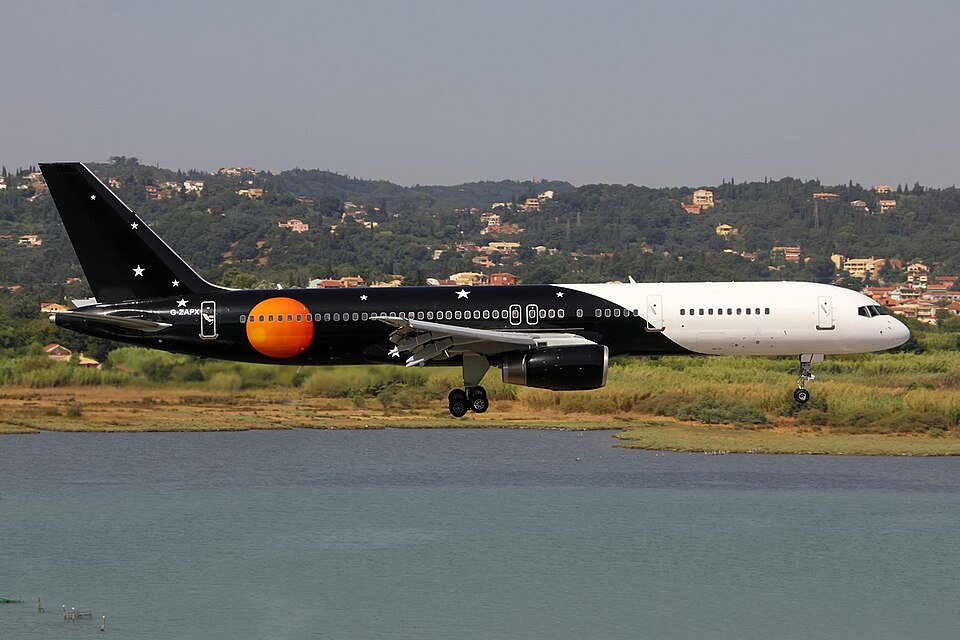
On 13 December 2013, a Boeing 757-256 (registration G-ZAPX) operated by an airline as a commercial passenger flight from London Gatwick Airport to Freetown Lungi Airport in Sierra Leone conducted a VOR approach to Runway 30. The aircraft commenced the approach from above the nominal glidepath and with excess speed. Despite attempts by the pilots to correct the path, the approach remained unstable at 500 ft, triggering Enhanced Ground Proximity Warning System (EGPWS) alerts. The aircraft landed safely with no injuries to the 7 crew or 145 passengers, and no damage was reported.
History of the Flight
After being cleared to intercept the final approach track, the crew had requested descent clearance multiple times before being authorized to descend to 2,000 ft. As the aircraft turned onto the final approach track, it was above the ideal profile and above the correct approach speed, resulting in significant excess energy. The crew observed the runway and assessed that the aircraft was high. The pilot extended the landing gear at 185 kt, disconnected the autopilot, and initiated a descent with a high rate of descent to regain the correct profile. Flap selections were made as speed allowed. Partial speed brake was selected at 1,450 ft and fully deployed at 1,000 ft. The average rate of descent below 1,000 ft was approximately 1,500 ft per minute.
At 500 ft, an EGPWS "sink rate" alert sounded, followed by a "pull up" alert at 350 ft that lasted for 6 seconds. The pilot stated that, at the time of the "pull up" alert, the aircraft was close to the normal profile, so he elected to continue the approach. At 500 ft, the aircraft's calibrated airspeed was 155 kt (22 kt above the reference landing speed, VREF) and the rate of descent was approximately 1,900 ft per minute. Landing flap selection occurred at 290 ft, and speed reduced to 148 kt at touchdown with full speed brake still deployed. The rate of descent exceeded 1,000 ft per minute until below approximately 150 ft.
The commander acknowledged that the approach was clearly unstable and that a go-around should have been flown.
Safety Action
Following the incident, the operator amended its procedures to include a mandatory call by the pilot monitoring (PM) at 500 ft radio altitude. If the approach is stable, the PM calls "500 stable" and the approach may continue. If the PM assesses the approach as unstable, a call of "500 Go-Around" is made, and the pilot flying must execute the go-around immediately.