Incident Summary
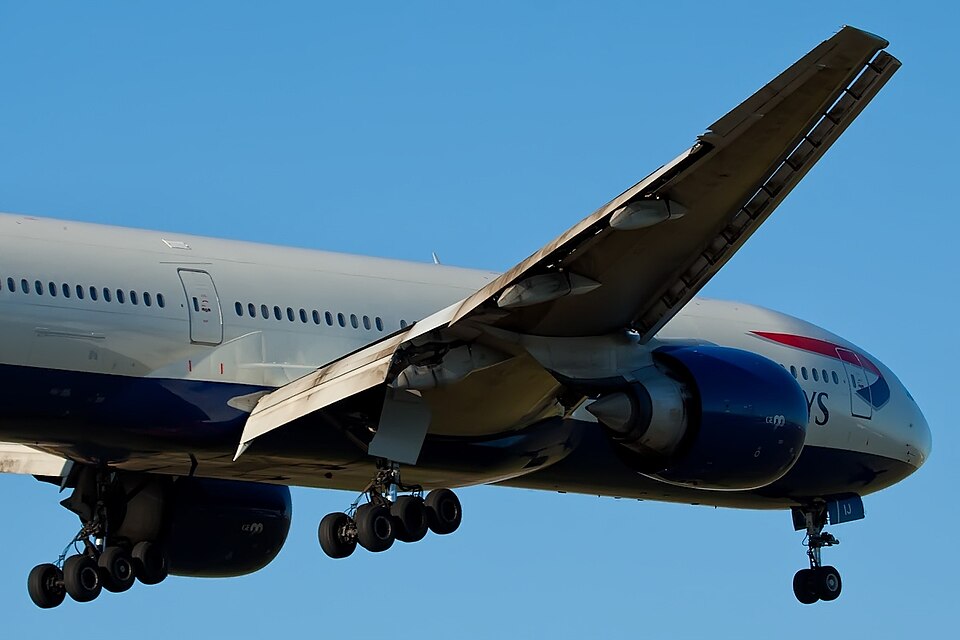
On 13 November 2017, a Boeing 777-236, registration G-VIIJ, was on a scheduled flight from Houston Intercontinental Airport, USA, to London Heathrow Airport. During the initial cruise descent into Heathrow, about one hour before landing, a strong smell of fumes was detected in the flight deck, quickly followed by reports from cabin crew of fumes in the front and rear of the passenger cabin. The relief first officer entered the cabin to assess the fumes. The crew actioned the Smoke, Fire or Fumes checklist; the co-pilot donned his oxygen mask first, followed by the commander and the relief first officer upon his return. The pilots continued to Heathrow, transmitted an urgency message to ATC, and briefed the cabin service manager. A short time later, haze was reported at Door 2 Left, so the Smoke Removal checklist was actioned with little reduction in fume intensity. The aircraft completed an uneventful autoland at Heathrow, was inspected by the RFFS, taxied to stand, and passengers disembarked normally.
Subsequent Events
On 15 November 2017, during the next intended flight, an oily smell was noticed as the left engine was started, and the aircraft returned to stand. Engineering work included replacement of the APU and various air conditioning components. During ground runs, fumes reappeared, and the left engine was identified as the source. The engine was checked per the Fault Isolation Procedure for oil fumes/smoke, but the procedure for fuel fumes was not considered applicable. Inspections of the left engine compressors showed no oil evidence. The left engine bleed air supply was isolated, and the aircraft flew to Seattle with the valve locked closed on 18 November. The following day, while climbing through 8,000 ft after departing Seattle for Heathrow, a left engine overheat warning occurred. The crew consulted the operator's maintenance control and concluded the warning was spurious, continuing the flight. Examination after landing revealed sooting, heat damage, and a hole in the engine combustion chamber case, just aft of one of the fuel nozzles. The engine was removed for investigation. After an engine replacement, the aircraft operated without further fume events.
Engine Investigation
The engine manufacturer determined that a swirler retainer had detached due to a broken weld. The loose retainer chafed through a fuel nozzle, causing fuel spray to ignite and burn through the combustion chamber case, leading to the overheat indication. The cause of the retainer detaching could not be established, but extensive analysis discounted loose bolts or weld deficiency. Weld repairs were permissible but none had been applied to the failed component.
Safety Actions
The engine manufacturer reported this as the first such event in the GE90's approximately 24 million operating hours. As precaution, all swirler repair schemes were deleted from engine overhaul manuals. The Fault Isolation Procedure for smoke or fumes in the cabin was amended to require inspection of fuel nozzles if the engine is the source, regardless of whether fumes are believed to be oil or fuel related.