Incident Overview
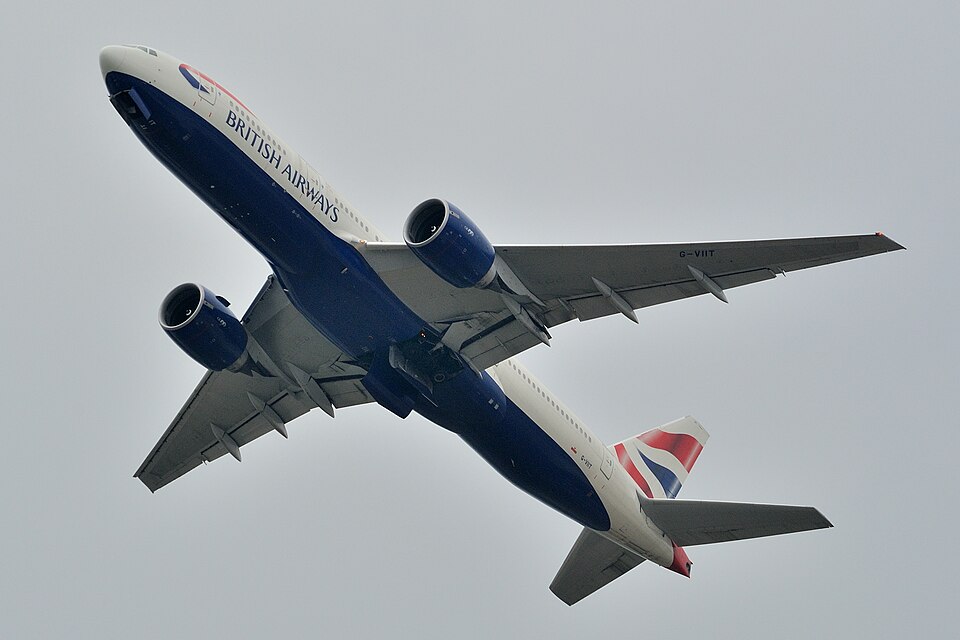
On 28 June 2024 at 1120 UTC, a Boeing 777-236, registration G-VIIT, was taking off from London Gatwick Airport Runway 26L. The aircraft was operated on a commercial air transport passenger flight with 13 crew and 334 passengers aboard. No injuries were reported among crew or passengers.
History of the Flight
During the takeoff roll, upon hearing the automatic callout of airspeed "V1," the co-pilot (pilot flying) inadvertently began retarding the thrust levers instead of removing his hand from them to continue the takeoff. Simultaneously, the commander called "rotate" as airspeed increased through Vr. The co-pilot vocalized the error and momentarily advanced the thrust levers again before initiating the rejected takeoff (RTO) procedure. The second thrust reduction began approximately two seconds after the first, at around 162 KIAS.
The aircraft reached approximately 167 KIAS before stopping short of intersection GR on the runway. The airport rescue and firefighting service attended and extinguished a fire from hot brakes on the right main landing gear.
Performance Conditions
The aircraft takeoff weight was 248 tonnes, approximately 20 tonnes below maximum takeoff weight. Weather conditions included an 11 kt headwind, temperature 18°C, QNH 1016 hPa, and a dry runway. The takeoff from intersection A1 used flap 5, assumed temperature 42°C, and speeds V1 160 kt, Vr 161 kt, V2 165 kt.
Crew Information
The co-pilot had 6,156 total flying hours, with 2,700 hours on type and 44 hours in the last 28 days. He was returning from annual leave, having last flown on 14 June 2024. He reported being well-rested and expressed surprise at the inadvertent thrust reduction. The commander responded calmly and methodically to the RTO.
Operator's Actions
The operator had previously issued an Operational Safety Notice four days before the incident, advocating a methodical approach to control selections: "Pause before execution, and cognitively consider what the required action is… Methodically execute the action… Confirm correct execution." The operator also included 'mis-selections' in a new Safety Topic section of pre-flight briefing material and promoted 'Focus' in recurrent simulator training.
Conclusion
The incident occurred due to an action slip by the co-pilot, who began retarding the thrust levers at V1 instead of removing his hand. He momentarily advanced them, then initiated the RTO about 2 KIAS later. The RTO was performed effectively, and the aircraft stopped safely.