What happened
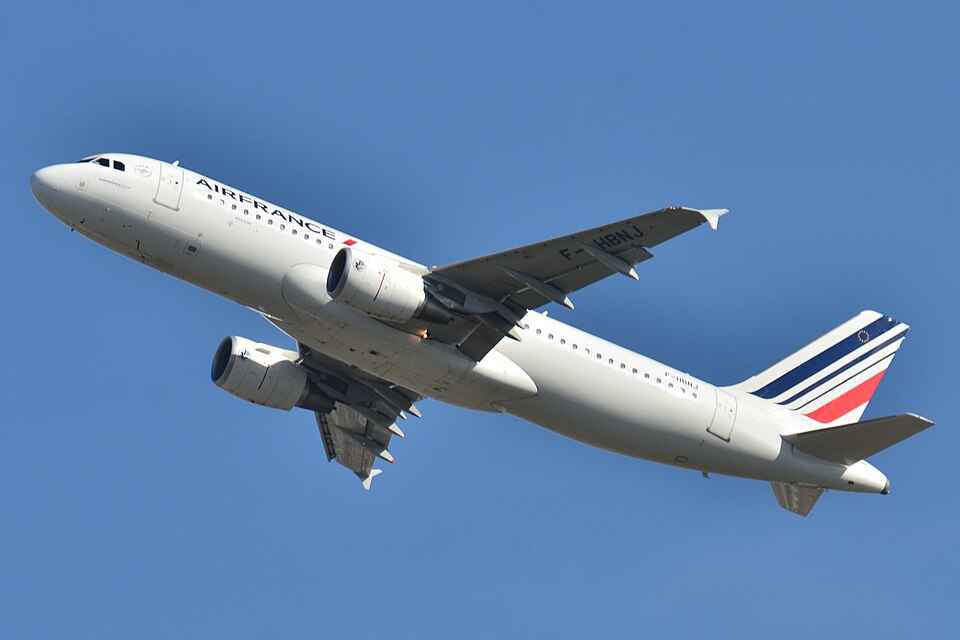
On Wednesday, 20 August 2025, an Airbus A320-214 registered F-HBNJ, operated by Air France, was on a commercial passenger flight from Paris-Orly to Ajaccio in Corsica. The aircraft carried two pilots, four cabin crew members, and 143 passengers. During the descent phase, approximately 125 nautical miles from the destination, the flight crew initiated their approach briefing. At around 12:15 UTC, while descending through Flight Level 288, the aircraft was eight nautical miles from the center of a convective cell. The crew identified green radar echoes and discussed circumnavigation. Shortly after, a red echo appeared on the navigation display close to the flight path. At 12:16:39, near Flight Level 262, the aircraft entered an area of turbulence lasting thirty-one seconds. This sequence began with four seconds of severe turbulence followed by twelve seconds of hailstorm conditions. During this period, standing cabin crew and passengers were thrown into the air before falling to the floor. The flight continued to Ajaccio, where it landed eight minutes after the event. Upon arrival, medical assistance was requested for five seriously injured individuals: three cabin crew members and two passengers.
The investigation
The Bureau d'Enquêtes et d'Analyses (BEA) examined flight recorder data, crew statements, and meteorological information. The analysis revealed that the aircraft flew through a rapidly developing convective cell that had not been fully identified by the airborne weather radar prior to impact. The turbulence was sudden and severe, with load factors at the rear of the aircraft reaching between -0.4 and +3.5 g. The investigation noted that the crew had encountered stormy conditions on the previous rotation but believed the worst was behind them once over the Mediterranean Sea. The BEA also reviewed the communication protocols between the flight deck and cabin crew, noting that the decision to make a standard landing announcement rather than a specific turbulence warning may have impacted readiness. Additionally, the report highlighted that air traffic control did not provide specific information about the developing cell on the aircraft's path, despite having access to secondary weather screens.
Findings
The primary causal factor was the late detection of an area of severe convective turbulence during descent. Contributing factors included a high workload in the fifteen minutes preceding the event, which involved arrival briefings, performance calculations, and radio communications. A possible reduction in vigilance while flying over the sea may have degraded active monitoring of the radar. The use of an airborne weather radar requiring manual adjustments to tilt added complexity during a busy flight phase. Furthermore, the absence of specific information from air traffic control regarding the development of the convective cell on the flight path contributed to the situation. The BEA noted that the severe turbulence was not preceded by light turbulence, catching those who were standing off-guard.
Safety action
Air France is considering modifying its policies and procedures to ensure passenger and cabin safety during turbulence events and is adjusting its communication model between flight and cabin crews. The airline plans to use this event as a case study in Crew Resource Management (CRM) training to reinforce communication protocols. The BEA also issued safety messages emphasizing the need for active radar use to analyze green echoes early, the utility of modern connected tools like eWAS, and the importance of sharing information with air traffic controllers via AIREP to improve situational awareness for all actors in the airspace.