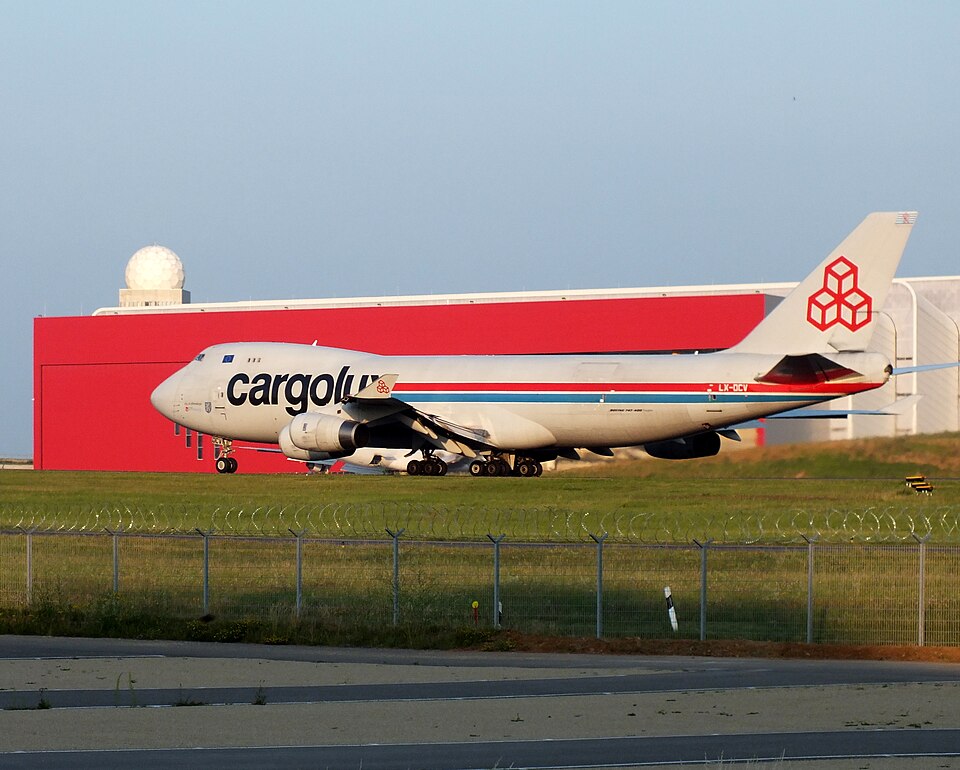
Factual Summary
On 21 January 2010 at 11:53 UTC, a Boeing 747-400F aircraft operated by Cargolux and registered as LX-OCV collided with a maintenance van on Runway 24 at Luxembourg Airport (ICAO: ELLX). The van, designated ELE 23, belonged to the Electricity Department of the Administration de la Navigation Aérienne (ANA). The aircraft was operating as Cargolux flight CLX 793 from Barcelona–El Prat Airport (LEBL) to Luxembourg.
Investigation Details
The Administration of Technical Investigations (AET) of Luxembourg, under the Ministry of Sustainable Development and Infrastructure, conducted the investigation and issued its final report on 10 December 2012. The report includes sections on flight history, personnel information, aircraft details, meteorological conditions, communications, aerodrome information, flight recorder data, and organizational management. It also covers analysis, conclusions, and recommendations.
Context and Terminology
The report references low visibility procedures (LVP) and runway visual range (RVR) values among meteorological information. The glossary defines key terms such as Advanced Surface Movement Guidance and Control System (A-SMGCS), Controller Working Position (CWP), Cockpit Voice Recorder (CVR), and Manual of Air Traffic Services (MATS). The investigation used the System Occurrence Analysis Method (SOAM) as an analytical technique.
Note: The report's foreword emphasizes that the sole objective is prevention of accidents and incidents, and it is not intended to apportion blame or liability.