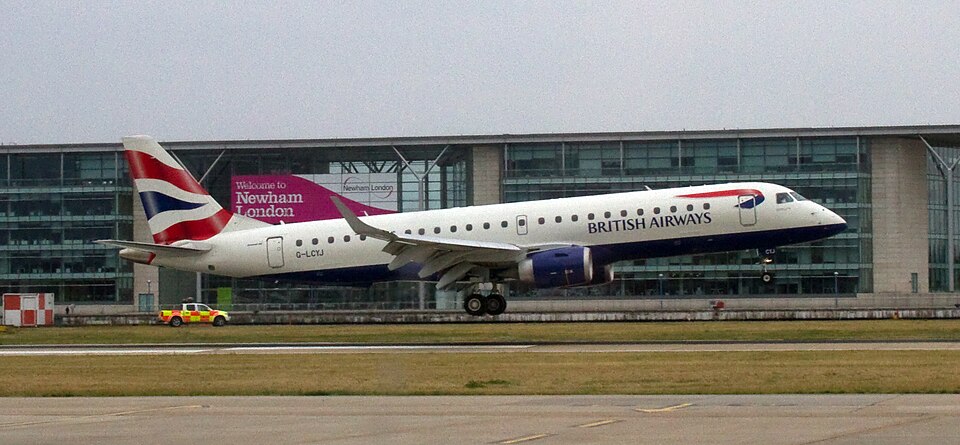
Incident Overview
On 21 January 2012, an Embraer 190 registration G-LCYJ operated by BA CityFlyer was involved in a ground incident at Chambéry Aix-les-Bains Airport during a scheduled passenger flight from London City Airport. The aircraft had 2 pilots, 2 cabin crew, and 53 passengers on board. One ground handling agent sustained minor injuries.
Flight Details
During the final approach to runway 18, the aircraft encountered wind shear. The crew reported difficulty controlling speed and selected full flaps, which resulted in a slight overspeed in that configuration. They executed a go-around, conducted a second approach, and landed without further issues. While taxiing, the pilots discussed necessary maintenance actions after the overspeed and whether to contact company operations. After parking, they began the engine shutdown procedure but interrupted it to discuss the go-around. The captain then resumed the procedure but, instead of stopping the engines, turned off the anti-collision (beacon) lights and inadvertently left the engines running.
Ground Crew Approach
The ground handling agent, responsible for placing chocks on the left main landing gear and positioning ground cones at the wingtip, was authorized by the Aircraft Zone Supervisor (RZA) to approach the aircraft after seeing the beacon lights extinguished. The agent walked along the fuselage and passed behind the engine. The agent was violently thrown backward by the jet blast from the still-operating engine. When cabin crew opened the aircraft doors, a warning message appeared on the cockpit display reminding the crew that the engines were still running. Simultaneously, the purser entered the cockpit to report the engines were not stopped. The crew then shut down the engines.
Investigation Findings
The investigation found that the incident resulted from an inadequate procedure used by many ground handling companies, which assumed that extinguishing the anti-collision lights guaranteed that the engines were stopped. This created a false assessment of the situation and allowed the ground agent to approach the operating engine. Additionally, the crew's inadequate execution of the engine shutdown procedure—turning off the beacon before engine shutdown—contributed to the incident. The wind shear event during final approach may have distracted the crew during the shutdown procedure. The ground handling company involved subsequently revised its procedures to require a radio link between the ground crew and flight crew to confirm engine shutdown before allowing access.
Probable Cause
The incident was due to an inadequate procedure used by many ground handling companies that assumed the extinction of anti-collision lights guaranteed that the engines were stopped. The crew's inadequate execution of the engine shutdown procedure, which involved turning off the anti-collision lights before engine shutdown, also contributed.