History of the Flight
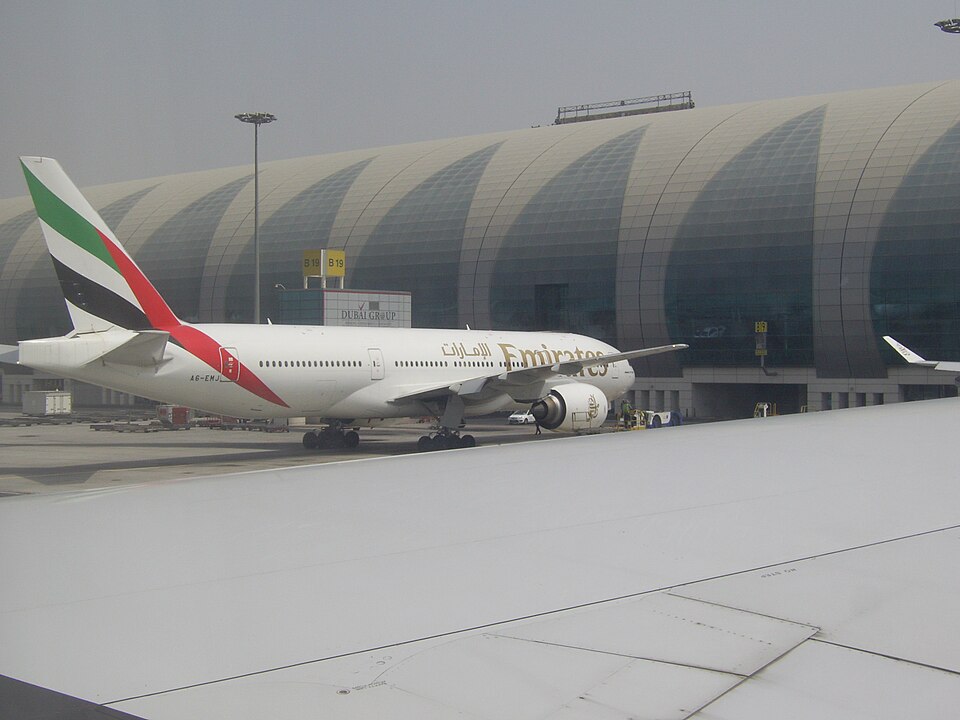
On 22 October 2014, a scheduled passenger flight EK565 operated by Emirates departed Dubai International Airport for Bengaluru International Airport, India. The aircraft, a Boeing 777-21H (ER) with registration A6-EMJ, was crewed by a commander and a copilot. The outbound flight was uneventful. During the ground time in Bengaluru, the commander ate his first meal of the day. The return flight departed Bengaluru at 1026 local time with the commander as the pilot flying.
Approximately one hour after departure, the commander developed a headache and nausea. He took two pain relief tablets from the aircraft first aid kit and visited the bathroom several times due to nausea, but did not vomit. At the top of descent, he suddenly felt nauseous, could not focus, and felt he was about to faint. He passed control to the copilot by announcing "You have control." The copilot saw the commander try to stand up but then lose consciousness and fall back into his seat. The copilot assumed control and called the senior cabin crewmember to the cockpit, who strapped the unconscious commander to his seat.
About three minutes later, the commander regained consciousness but felt "Fuzzy" and informed the copilot he was unable to assist with landing. The copilot declared a MAYDAY due to pilot incapacitation. Air traffic control provided immediate priority, and the flight landed at Dubai International Airport at approximately 1238 local time. After parking, passengers disembarked normally. Paramedics provided oxygen to the commander, who was able to walk off the aircraft. He was taken to the airport clinic for an electrocardiogram and blood pressure checks, which were normal. He later visited the operator's clinic. There were no injuries to crew or passengers, and no damage to the aircraft.
Pilot Medical Background
Both pilots held valid airline transport pilot licenses and class 1 medical certificates. The commander had 17,787 flight hours and had been with the operator since 1988. Approximately eight months before the incident, on 10 February 2014, he presented to the operator's clinic with stress, tiredness, and anxiety. He was referred to a psychiatrist, who diagnosed a mood disorder. He successfully completed a functional simulator test and a dizziness assessment. He resumed flying duties in May 2014 after responding well to treatment. His medical certificate was reinstated with a limitation requiring monthly aeromedical examiner reviews and regular psychiatric reviews. Two days before the incident, he underwent a monthly review and was found euthymic, and was referred for a psychiatric review as per his limitation.
Two months after the incident, on 31 December 2014, the commander experienced a second syncopal episode at home, striking his head and losing consciousness. He was examined at a hospital and discharged with no abnormalities found. Several specialist assessments in January 2015 found no neurological or neuropsychological cause for the episodes.
Aftermath
Following a Senior Aeromedical Board recommendation, the General Civil Aviation Authority (GCAA) revoked the commander's medical certificate in May 2015 due to unexplained falling attacks. The board considered the syncope spells, medical investigations that did not exclude organic or psychological explanations, and applicable medical regulations. The investigation into the incident did not state a probable cause.