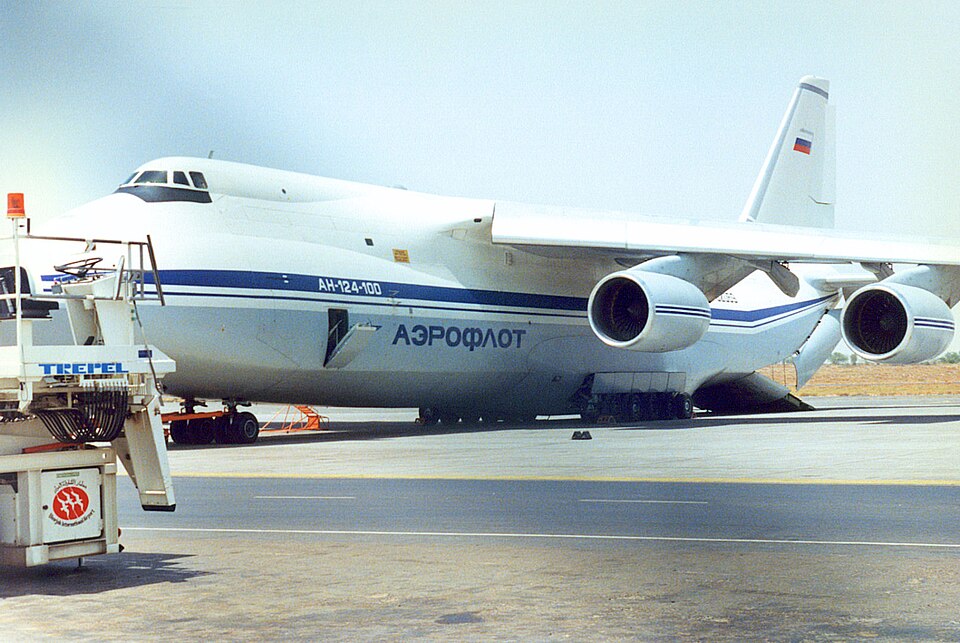
Accident Details
The aircraft departed Moscow-Chkalovsky Airport bound for Torino, carrying 19 passengers and four crew members. It was scheduled to load Ferrari cars for delivery in Bandar Seri Begawan, Brunei, with a fuel stop at Abu Dhabi Airport.
While descending to Torino-Caselle Airport, the crew was informed about weather conditions at destination: wind variable 3 knots, visibility 2000 metres, RVR runway 36 more than 1500 metres, light rain, scattered clouds at 1500 and 3500 feet, broken at 7000 feet, OAT and dew point 13°C, QNH 1012.
On final approach to runway 36, the crew was unable to establish visual contact with the runway. The captain decided to initiate a go-around procedure, but this decision was taken too late. While climbing, the aircraft struck trees and crashed onto houses in the village of San Francesco al Campo, about one kilometre from the runway end.
Damage and Fatalities
The aircraft, a house, and a barn were destroyed. Both pilots, two people on the ground, and 20 cows in the barn were killed.
Investigation Findings
The investigation reported several findings. Weather conditions were marginal. At the time of the accident, the runway length was 2350 metres instead of 3300 metres due to work in progress. The ILS CAT III system was inoperative during the work. The pilots were warned that the crew of an aircraft that landed on the same runway 36 about 11 minutes earlier established visual contact with the runway at an altitude of 200 feet only.
The crew continued the approach below MDA without establishing visual contact. Poor crew coordination, approach planning, and failure to follow the approach checklist were noted. The crew did not divide tasks correctly and did not prepare for a possible go-around procedure. The captain's decision to initiate a go-around was taken too late. After the power levers were suddenly moved, the crew encountered engine trouble. The captain had relatively low experience on this type of aircraft.