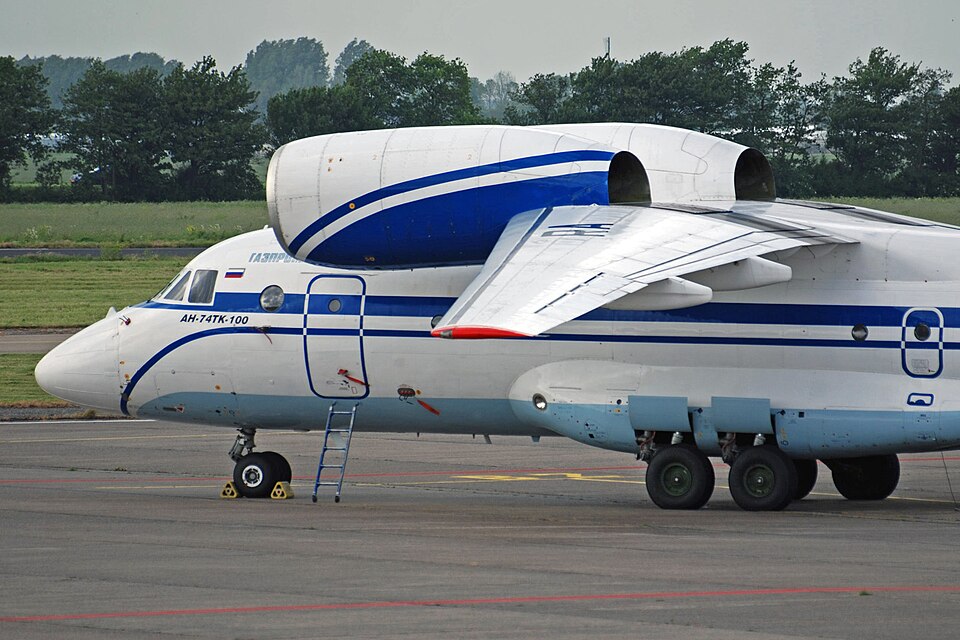
Incident Overview
A United Nations-chartered aircraft operating flight UNO-052P from Bamako to Gao for the United Nations Multidimensional Integrated Stabilization Mission in Mali (MINUSMA) overran the runway after landing in rainy conditions. The aircraft came to rest in waterlogged terrain, losing its undercarriage. All 11 occupants were rescued, with six reported as injured. The aircraft was destroyed.
Flight and Electrical Failure
En route, the flight crew encountered electrical system malfunctions when the right generator failed. Attempts to start the auxiliary power unit (APU) were unsuccessful, and shortly thereafter the left generator also failed, resulting in a complete loss of electrical power.
Landing and Runway Excursion
The crew manually lowered the landing gear and proceeded to land on a wet runway during rain. Touchdown occurred approximately 500 meters past the runway threshold. The crew initiated braking but could not deploy the thrust reversers. At a speed between 140 and 160 km/h, the aircraft overran the runway, collapsed its landing gear, and came to rest in a waterlogged field.
Brake System Failure
After touchdown, the wheel brake system failed. Investigation determined that the brakes were applied at speeds significantly exceeding the maximum values specified in the Flight Crew Operating Manual (FCOM) for the An-74TK-100 aircraft type. The landing was performed with the wing flaps retracted and without the use of spoilers or engine reversers, conditions for which no data existed in the FCOM for calculation or execution.
Probable Cause and Contributing Factors
The official investigation attributed the probable cause to a longitudinal excursion beyond the runway during landing rollout, followed by collision with a sewage collector. The landing was conducted on a fully unpowered aircraft with retracted flaps and no means of aerodynamic or reverse thrust braking. Contributing factors included: the absence of FCOM guidance for unpowered landing conditions due to the developer’s assessment of such a scenario as improbable; inadequate pre-flight servicing of generator oil systems, leading to oil overheating and sequential automatic disconnection of both generators; and failure of the crew to follow standard APU operational procedures, specifically not activating the APU compartment heater and improper start-up techniques, resulting in an inability to start the APU and complete power loss after battery voltage dropped below permissible levels.