Incident Overview
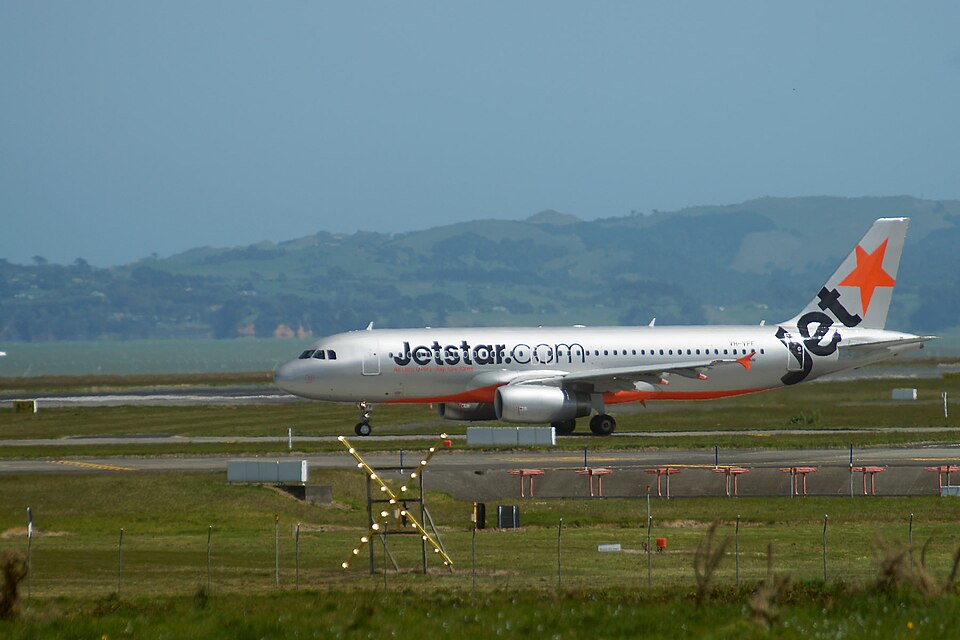
On 31 May 2024, an Airbus A320 operated by Jetstar Airways as flight JST225 from Auckland to Christchurch experienced a failure of the yellow hydraulic system during cruise at 36,000 feet. The flight crew, consisting of a captain and first officer, responded to the electronic centralized aircraft monitor (ECAM) alerts and followed standard operating procedures. The failure resulted in the loss of nosewheel steering and the number two engine thrust reverser.
Landing and Taxiway Excursion
The flight crew assessed the situation and decided to land on Christchurch Runway 02 and vacate via rapid exit A4. After a normal approach and touchdown, the captain applied reverse thrust. Both thrust levers were pulled to the REV MAX position, but only the number one engine reverser deployed, as expected due to the hydraulic failure. The aircraft decelerated normally. At approximately 70 knots, the captain moved the thrust levers forward to REV IDLE, then four seconds later inadvertently advanced them to the CLIMB detent. This caused the number one engine reverser to stow and the engines to spool up. The ground speed increased from 28 to 40 knots. In response, the captain pulled both levers back to REV MAX, deploying the number one reverser again, but the number two reverser remained stowed. The resulting asymmetric thrust caused the aircraft to veer left off the taxiway, through an aerodrome signboard, and onto the grass. The aircraft came to a stop on the edge of the runway. No injuries occurred, but the number two engine sustained significant damage from the signboard impact.
Hydraulic System Failure Cause
The investigation determined that the hydraulic failure resulted from a ruptured titanium pipe. The pipe failed due to overload stress on its inside surface at a deformed section. The deformity likely occurred when the pipe's packaging was damaged during transit between two Airbus parts warehouses in 2015, but was not detected at that time.
Cognitive Factors
The flight crew was under high cognitive load and stress. The captain, likely startled by the unintended engine acceleration, moved the thrust levers to REV MAX. Both crew members likely experienced attention tunnelling, which prevented them from perceiving the incorrect thrust lever position. The use of the rapid exit without nosewheel steering further increased workload.