Background
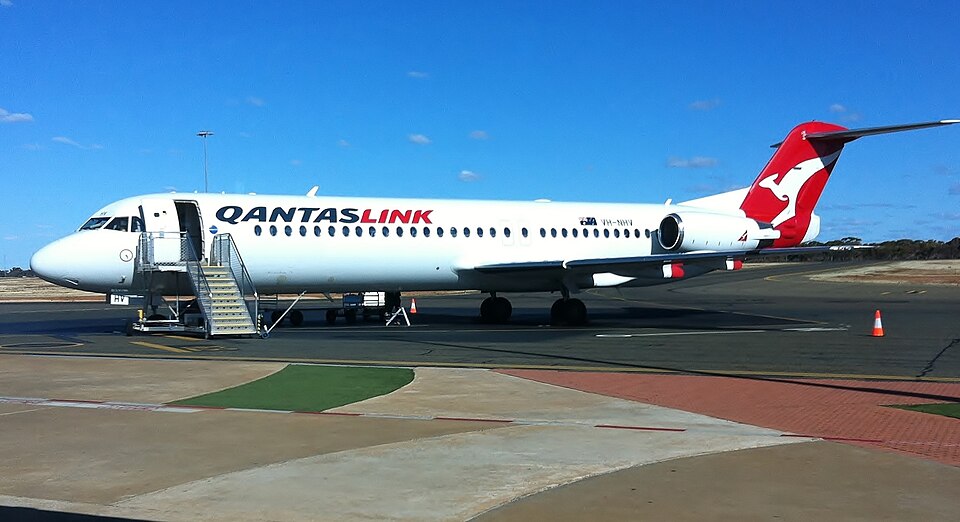
The operator substituted the aircraft for a Perth to Kalgoorlie service after NHQ became unserviceable, reallocating the flight to NHV. The operator's contracted ground handling service provider was responsible for loading the aircraft according to the operator's Load Instruction Sheet (LIS).
Sequence of Events
The operator verbally notified the ground handling service provider of NHQ's unserviceability but did not provide the replacement aircraft's registration. The ground handling provider allocated tasks by flight number; the task for flight number 1608 had already been completed in their system. An amended LIS was created with the replacement registration, but it inadvertently indicated that it was edition 1. It is probable that a team was not allocated to transfer baggage and freight from NHQ to NHV because the LIS, marked as edition 1, was for a task already recorded as completed.
The operator was responsible for producing the offload instruction for the destination. A person entered the flight deck of NHV while the flight crew were preparing for flight, likely to confirm offload figures from the LIS due to inability to contact the loading supervisor. The captain, a relatively new employee with no prior experience of this practice, misunderstood the person's role and reason for inspecting the LIS. The captain then pen-amended the aircraft registration on the LIS from NHQ to NHV, assuming the LIS was actually for NHV. This was a permitted practice at the time, resulting in the flight crew believing they had a certified LIS for the loading of NHV.
Findings
The incident highlights a breakdown in communication between the operator and ground handling provider regarding the aircraft substitution, and a misunderstanding by the flight crew of a person's actions during flight preparation.