Incident Overview
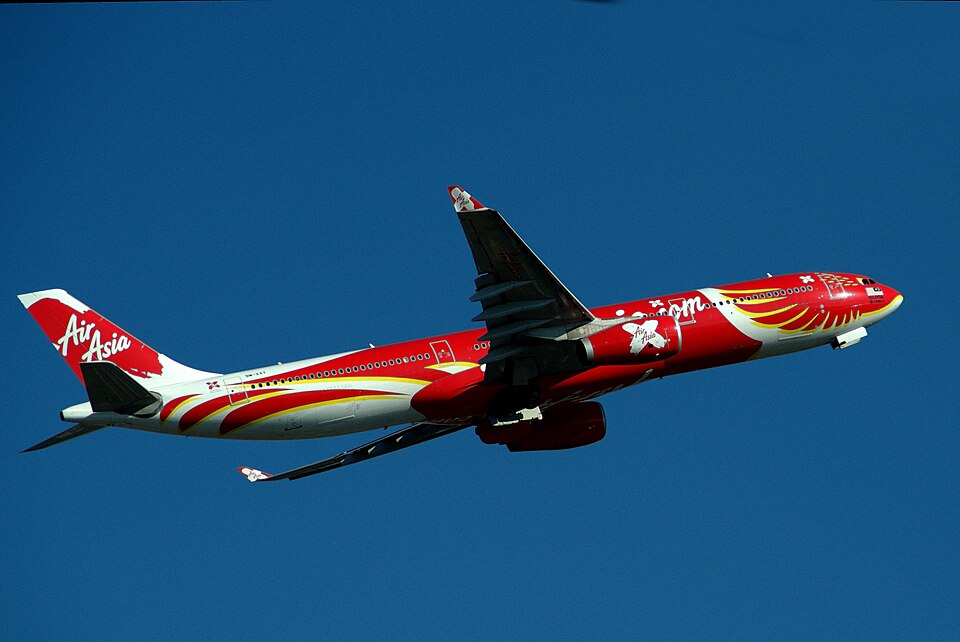
The Australian Transport Safety Bureau (ATSB) concluded that an engine failure was the result of a birdstrike involving a masked lapwing. Evidence indicated that two birds found on the runway did not show signs of engine ingestion, suggesting the failure was caused by an additional bird.
Investigation Details
The ATSB analyzed data from the flight data recorder, cockpit voice recorder, and statements from the flight crew. The investigation determined that the flight crew effectively managed the abnormal situation and subsequent diversion. The cabin purser relayed information about a possible number 2 engine fire observed from within the cabin, which assisted the captain's decision-making.
Technical Context
While aircraft engines are designed to withstand most birdstrikes, including those involving medium-sized birds like masked lapwings, this event involved a rare combination of aircraft and engine speeds, the height of the fan blade at which the birdstrike occurred, and its angle of incidence. The ATSB noted it is extremely unlikely such a scenario would occur on multiple engines simultaneously.