Event Overview
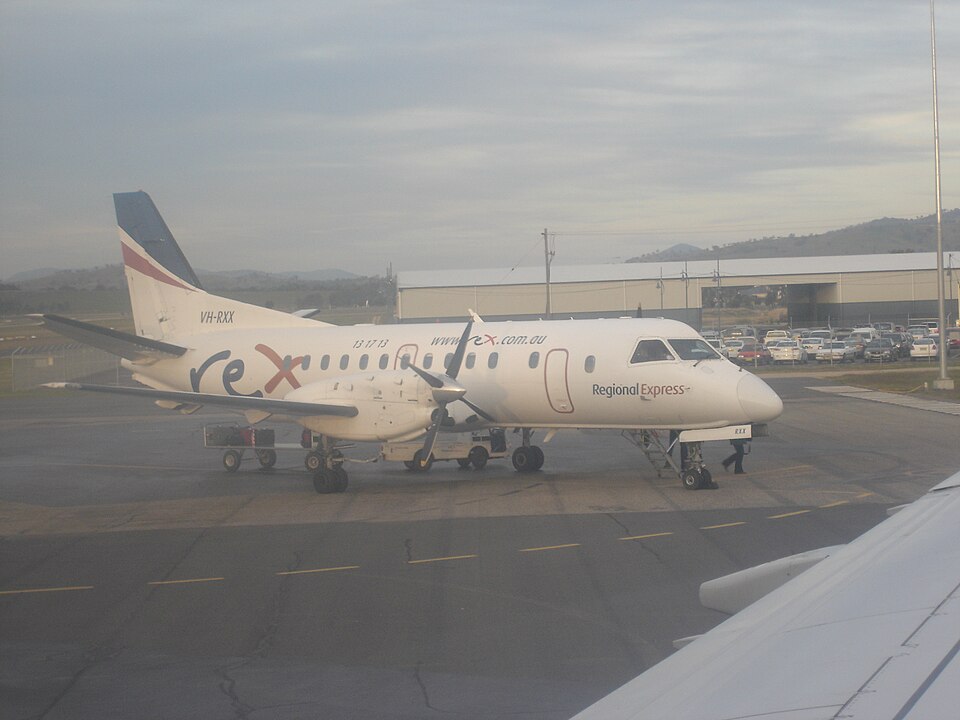
On 30 August 2019, a Saab 340B aircraft, registration VH-RXX, experienced an engine failure. The incident was initiated by heavy coking in the B-Sump oil cavity of the engine. The coking led to oil leaking from the B-Sump and subsequently caused an internal oil fire. The over-temperature condition weakened the power turbine (PT) stage 3 disk posts, allowing some turbine blades to be released. This resulted in an imbalance and fracture of the PT shaft. The flight crew received an engine fire indication, which was activated by hot gases released through burn holes in the PT case.
Engine Failure Sequence
The B-Sump component had accumulated only 1,481 flight hours since its installation on the engine in May 2018. This represented approximately 10 percent of the typical time between major work scopes. The investigation determined that the high level of coking found in the B-Sump could have occurred within that timeframe only under certain conditions: the component was not completely clean upon installation following the major work scope, there was an accelerated formation of coking within the component, or a combination of both.
Investigation Findings
Although the part was cleaned in accordance with the manufacturer’s recommendation, it was not possible to visually inspect the oil cavity of the B-Sump to confirm complete removal of coking. If any coke deposits remained, they could have affected oil flow and cooling within the sump and contributed to further coking. The manufacturer advised that there was no evidence the engine was operated outside their recommendations, making it unlikely that operational factors contributed to the accelerated formation of coking. The exact mechanism causing the level of coking present in the B-Sump could not be determined.
Historical Context
A CT7 engine failure or in-flight shutdown due to significant coking in the B-Sump is a rare event, with only two known occurrences in the 38 million flight hours accumulated by the engine type.