Incident Details
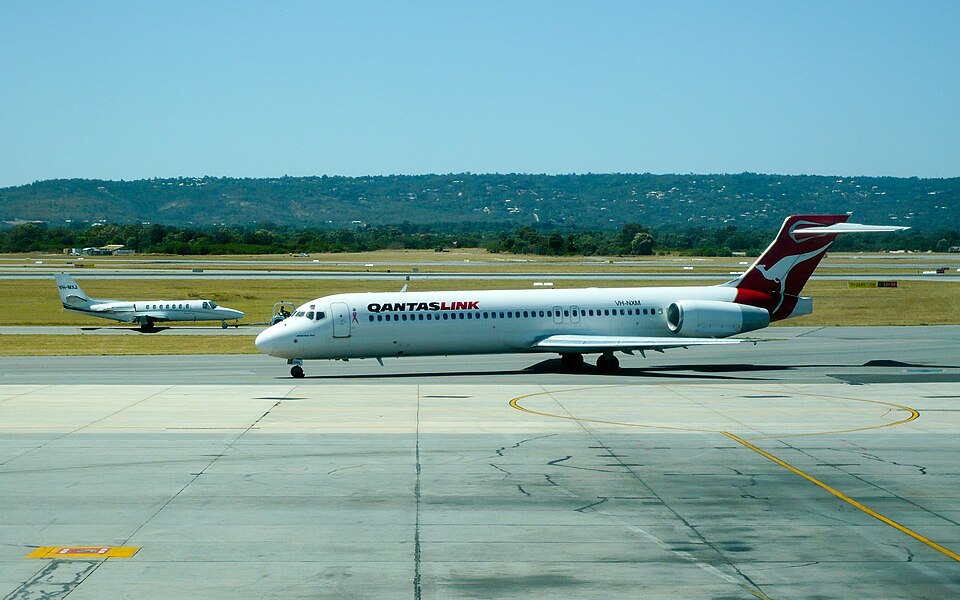
On 6 June 2023, the cabin crew of a QantasLink Boeing 717-200 aircraft, registered VH-NXM and operated by National Jet Systems, noticed a transient chlorine odour during the climb out of Sydney Airport, New South Wales. The cabin crew reported dizziness, mild discomfort described as pressure increasing in their head, and a metallic taste. The flight crew were advised, and the operator’s cabin air quality event procedure was completed.
About 76 minutes later, when the aircraft was on approach to Hobart Airport, Tasmania, the flight crew noticed a chlorine odour coming from the flight deck air-conditioning vents, lasting about 10 seconds. Shortly after, the captain noticed the onset of hypoxia-like symptoms and assessed themselves as unfit to continue as pilot flying. The captain handed over pilot flying duties to the first officer and continued in the role of pilot monitoring for the remainder of the flight. The first officer, who was not experiencing any symptoms at that stage, continued the approach.
Shortly before landing, the first officer noticed that their reaction to an aircraft deviation was slowed and they started to experience cognitive difficulties. The landing was completed without further incident. After shutdown, both pilots reported a persistent headache; the captain also experienced ongoing symptoms of confusion and lethargy and attended a local hospital for medical tests.
ATSB Findings
The ATSB found that while National Jet Systems’ cabin air quality events procedure captured the recording/reporting of odours, post-flight care of crew, and maintenance actions, it did not consider the possible application of the smoke/fumes procedure or incapacitation procedure. As a result, there was an increased risk of flight crew being adversely affected by such an event during a critical stage of flight.
It was also identified that although National Jet Systems had procedures for recognition and management of pilot incapacitation, the associated training did not include the identification and response to subtle physical or cognitive incapacitation.
Safety Actions Taken
On 16 June 2023, National Jet Systems issued a Safety Action Notice (NJS-SAN-2023-018) reminding flight crews to consider supplemental oxygen use and the declaration of a PAN in response to a cabin air quality event.
On 2 March 2024, National Jet Systems advised the ATSB of the following safety actions taken as a result of this occurrence:
- The flight crew recurrent simulator training syllabus had been updated to include in‑seat instruction specific to pilot incapacitation, followed by a practical exercise donning oxygen masks and conducting an approach, landing, and taxiing to the gate while using oxygen.
- A review of smoke/fumes checklist and simulator training was undertaken.
- Learnings from this occurrence have been incorporated into the newly‑introduced company A220 aircraft smoke/fumes, hypoxia, and incapacitation procedures.
- A review of hypoxia training material to include specific reference to histotoxic hypoxia was undertaken, with draft content awaiting input from the Qantas chief medical officer.
- Aircrew emergency procedures documentation and training pertaining to the recognition and management of crew incapacitation have been updated to include subtle and cognitive incapacitation.
Additional Context
The same aircraft had a reported cabin air quality event 2 days prior to the incident, in which cabin and flight crew smelt chlorine and only the cabin crew reported any symptoms, which were mild. Following the 6 June 2023 occurrence, maintenance engineers conducted an inspection of the aircraft to identify a source of the odours; none were found, and the event was not able to be reproduced on the ground or during a subsequent test flight.