Sequence of Events
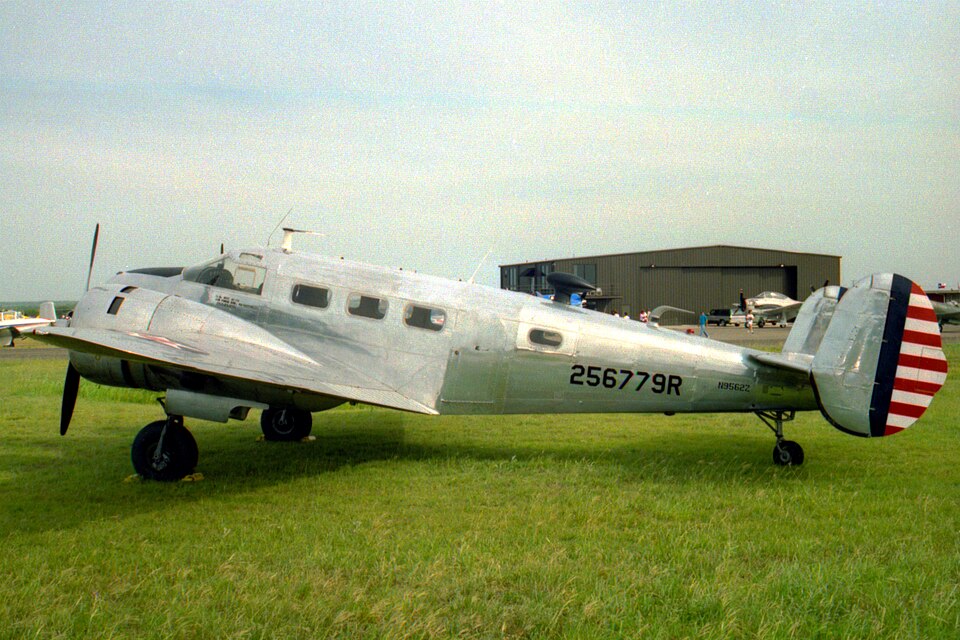
During an instructional flight, the instructor shut down the right engine and feathered the propeller. After restarting it, the left engine began running rough and vibrating. The left engine was then shut down and its propeller feathered. Level flight was maintained using power from the right engine. When the left engine was restarted, it produced drag instead of thrust, so it was secured again. Shortly after, the right engine began losing power. Despite applying full power, the airplane continued to descend.
The instructor lowered the landing gear. While the gear was in transit, the airplane clipped tree tops. The instructor guided the airplane between two houses and impacted an open field. The airplane bounced across a road, struck a power pole, and caught fire. Both pilots evacuated via the main cabin door.
Examination
Examination at the departure airport revealed two pools of oil at the approximate positions of the two engines. There were two trails of oil leading from the parking spot down the taxiway and onto the runway. Both engines were partially disassembled and examined. Evidence showed that both engines had failed catastrophically due to oil starvation. The left engine's crankshaft was broken, and all piston heads were at the tops of their cylinders. Pieces of metal were recovered from the right engine's oil sump.
According to the operator, the engine rocker box recovery system must be drained during preflight to avoid hydraulic lock. The instructor stated that during preflight, the drain valves were open (the drained oil is captured and recycled), and he thought both valves had been closed. The operator indicated that either the pilots failed to close the drain valves or they were jammed open. The operator noted the latter was unlikely "because you can feel it move when you close it."
Probable Cause
The instructor pilot's improper preflight in that he failed to close the rocker box recovery system drain valves, resulting in a total loss of lubricating oil and subsequent oil starvation to both engines. A contributing factor was the trees.