Accident Overview
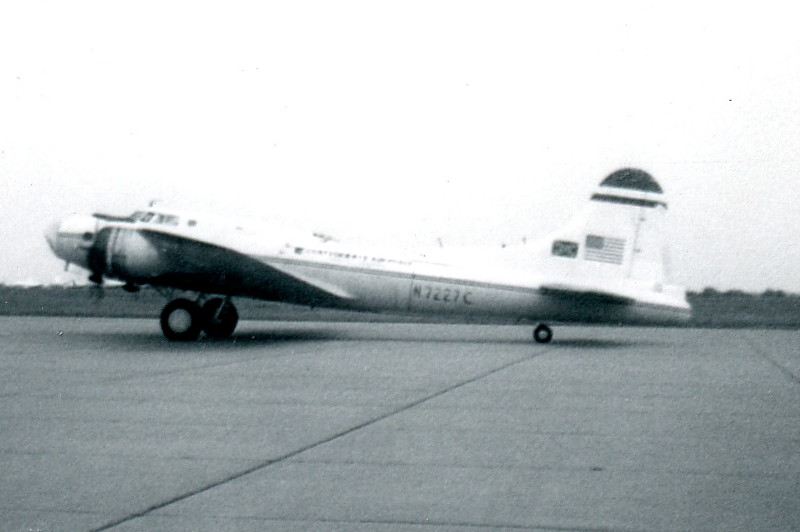
On November 12, 2022, about 1322 central standard time, a Boeing B-17G (registration N7227C) and a Bell P-63F (registration N6763) collided in flight during a performance at the Commemorative Air Force’s (CAF) Wings Over Dallas air show at Dallas Executive Airport in Dallas, Texas. The pilot, copilot, flight engineer, and two scanners on board the Boeing B-17G and the pilot of the Bell P-63F were fatally injured, and both airplanes were destroyed. No injuries to persons on the ground were reported.
Sequence of Events
Both accident airplanes—along with six other historic, former military airplanes—were operated by the CAF under Title 14 Code of Federal Regulations Part 91 and a certificate of waiver for the air show. The Boeing B-17G was the lead aircraft in a group of five historic bomber airplanes flying as solo aircraft in trail. The Bell P-63F was the last aircraft in a formation of three historic fighter airplanes. Takeoffs, repositioning turns, and passes of all eight airplanes were directed in real time via radio by the air boss, who had primary responsibility for controlling air show operations.
Just before the accident, the bomber group and the fighter formation completed a pass in front of the crowd from show right to left. The airplanes were setting up for the next pass, intended to be from show left to right, when the collision occurred. The air boss issued directives for the fighter formation to pass off the left side of the bomber group and then cross in front of them. Position data showed that the flight paths of the fighter lead and position 2 airplane passed the bombers off their left side before crossing in front of the B-17G, but the P-63F’s flight path converged with that of the B-17G. Video and photographic evidence from ground witnesses showed the P-63F in a descending, left-banked turn when it struck the left side of the B-17G near the trailing edge of its left wing. Both airplanes then broke apart in flight.
Probable Cause and Contributing Factors
The National Transportation Safety Board determined that the probable cause of the accident was the air boss’s and air show event organizer’s lack of an adequate, prebriefed aircraft separation plan for the air show performance, relying instead on the air boss’s real-time deconfliction directives and the see-and-avoid strategy for collision avoidance, which allowed for the loss of separation between the Boeing B-17G and the Bell P-63F airplanes. Also causal was the diminished ability of the accident pilots to see and avoid the other aircraft due to flight path geometry, out-the-window view obscuration by aircraft structures, attention demands associated with the air show performance, and the inherent limitations of human performance that can make it difficult to see another aircraft. Contributing to the accident were the lack of Federal Aviation Administration (FAA) guidance for air bosses and air show event organizers on developing plans and performing risk assessments that ensure the separation of aircraft that are not part of an approved maneuvers package and the lack of FAA requirements and guidance for recurrent evaluations of air bosses and direct surveillance of their performance.