Accident Summary
A commercial pilot flying a twin-engine airplane on a cross-country flight experienced a loss of engine power during the final approach phase. The pilot had flown the airplane for at least 2 hours and 47 minutes before dropping off passengers, then flew back for 2 hours and 7 minutes without refueling. As the airplane turned onto final approach, the right engine began to surge.
Sequence of Events
The pilot responded by reducing power on the right engine and increasing power on the left engine. However, the airplane started to roll to the right, prompting the pilot to reduce power on the left engine as well. The pilot then elected to land in an alley. Prior to impacting wires, the pilot retracted the landing gear and moved the condition levers to the "cut-off" position. A witness observed the airplane before impact and reported that the "motor wasn't on."
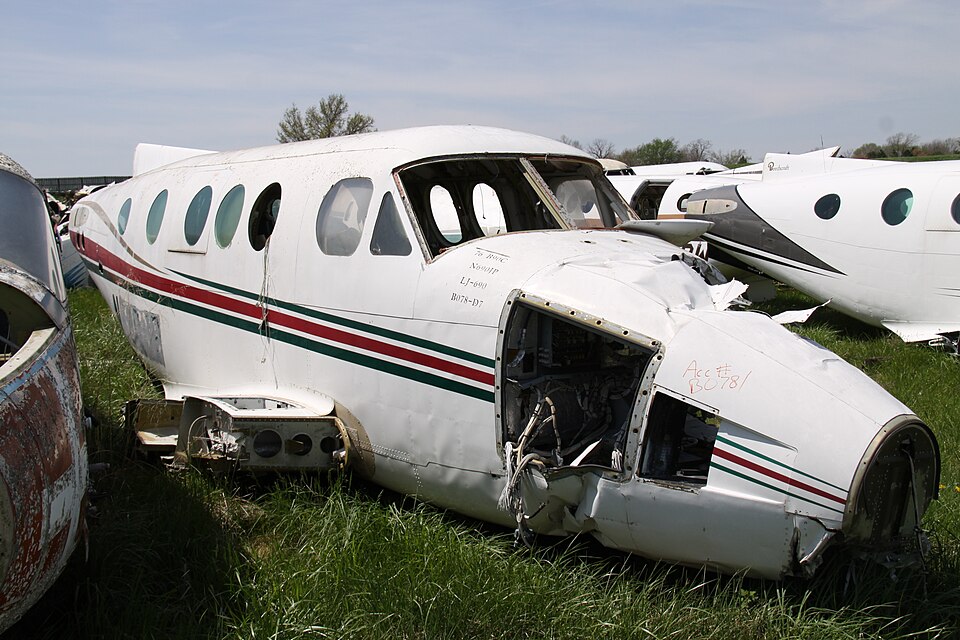
The airplane subsequently struck power lines, a tree, a natural gas meter, two residences, and a fence during the landing sequence. The fuel tanks were compromised in the impact. The fire department applied fire retardant foam to the area, and subsequent testing of water runoff showed negative results for petroleum risk.
Engine Examination
Following the accident, examination of both engines' fuel lines revealed that the lines between the firewalls and fuel heaters, as well as those between fuel pumps and fuel control units, were void of fuel. This indicated that the engines had been starved of fuel.
Probable Cause
The official probable cause of the accident was the pilot's failure to refuel the airplane, which resulted in fuel exhaustion and subsequent loss of dual engine power while on approach.