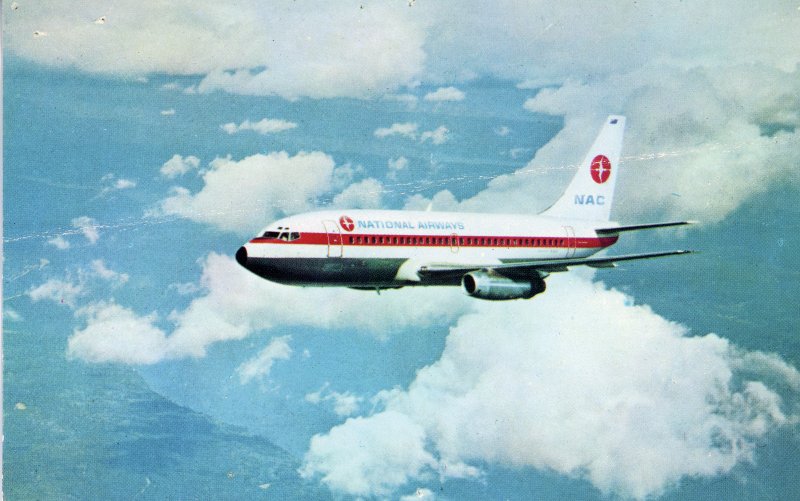
Flight and Approach
An aircraft operating an uneventful flight from Caracas initiated its approach to Lima-Callao-Jorge Chávez Airport. During the approach, the crew observed an asymmetric warning related to the flaps. Despite this indication, the crew decided to continue the approach but did not lower the landing gear.
Accident Sequence
The aircraft subsequently belly-landed on runway 15 at a speed of 190 knots. It slid along the runway for 2,347 meters before coming to rest. All 100 occupants escaped without injury. The aircraft sustained damage beyond repair.
Investigation and Findings
Official investigation identified the following findings:
- During the approach, a flap asymmetry indication occurred.
- The crew did not verify and execute the Non Normal Checklist from the Quick Reference Handbook (QRH).
- The flap asymmetry was caused by a high electrical resistance in the synchro transmitter of the right side flap position transmitter, leading to an indication fault in the Flap Position Indicator.
- The omission of QRH procedures for abnormal situations during the approach phase.
- The crew did not decide to perform a go-around despite insufficient time to complete QRH procedures.
- Overconfidence (complacency) during the approach under abnormal conditions.
- Lack of Crew Resource Management during approach and landing, especially under abnormal conditions.
- Lack of leadership during the abnormal situation.
- Lack of communication with the control tower about the abnormal approach and landing conditions.
- The itinerary was very tight relative to the maximum allowed flight hours and working hours per the RAP, which could have influenced performance due to fatigue.
- The flight data recorder and cockpit voice recorder lacked recording of some parameters, preventing resolution of important details.
Probable Cause
The probable cause, as stated in the official findings, is: "Failure of the crew to verify and check the Non Normal Checklist of the Quick Reference Handbook (QRH) due to technical problems at the time of approach and landing, causing the omission of the extension of the gear and subsequent contact of the aircraft with the runway with landing gear retracted."