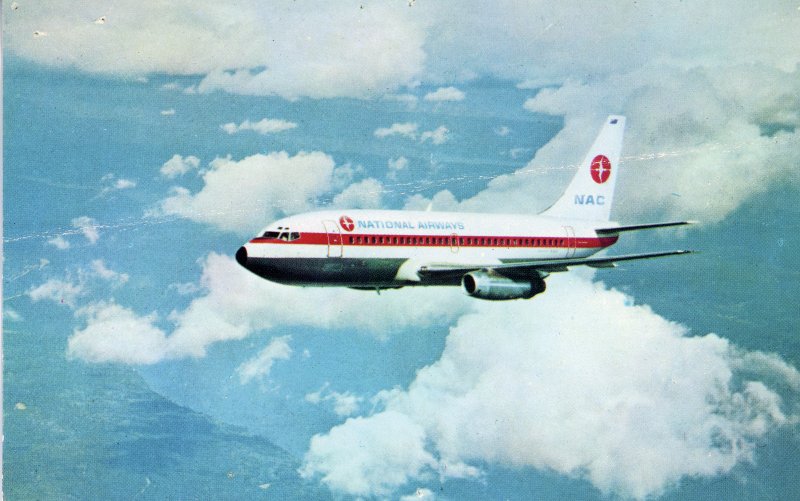
Flight Details
First Air Flight 953 was operated with a Boeing 737-210C, serial number 21066, on a scheduled passenger service from Edmonton, Alberta, to Yellowknife, Northwest Territories. The flight carried 2 flight crew, 4 cabin crew, and 98 passengers. Departure from Edmonton occurred at 1130 mountain daylight time, with an estimated flight duration of 1 hour 35 minutes.
Sequence of Events
As the aircraft approached Yellowknife, the spoilers were armed and the aircraft was configured for a visual approach and landing on Runway 33. The computed Vref was 128 knots, and the target approach speed was 133 knots. During the landing flare, the aircraft developed a higher-than-normal sink rate. The pilot flying, the first officer, responded by increasing engine power and applying nose-up pitch. The aircraft touched down on the main landing gear and then bounced twice. While airborne between bounces, the captain assumed control and lowered the nose to minimize further bouncing. The aircraft subsequently landed nosewheel-first, followed by the main landing gear. The initial touchdown occurred approximately 1300 feet from the approach end of Runway 33. The runway surface in that area showed numerous rubber scrub marks from previous aircraft, which precluded an accurate measurement of the touchdown point. During the third touchdown, which occurred on the nose landing gear, the left nose tire burst, leaving a shimmy-like mark on the runway.
Damage and Outcome
After the landing, the aircraft was taxied to the ramp and shut down. The aircraft sustained substantial damage. There were no reported injuries to the crew or passengers. The incident occurred at 1325 during daylight hours.
Probable Cause
The official investigation identified two causes and contributing factors: (1) Incorrect bounced landing recovery procedures were carried out when the captain pushed forward on the control column to prevent a further bounce, resulting in the aircraft landing nosewheel first. (2) The high sink rate on the initial flare was not recognized and corrected in time to prevent the bounced landing and the subsequent bounced landing.
Other findings include that the power increase during the flare caused the speedbrake/spoilers to retract, and that the captain had not received a required line check of at least three sectors before returning to flight duties after a pilot proficiency check expiry.