Synopsis
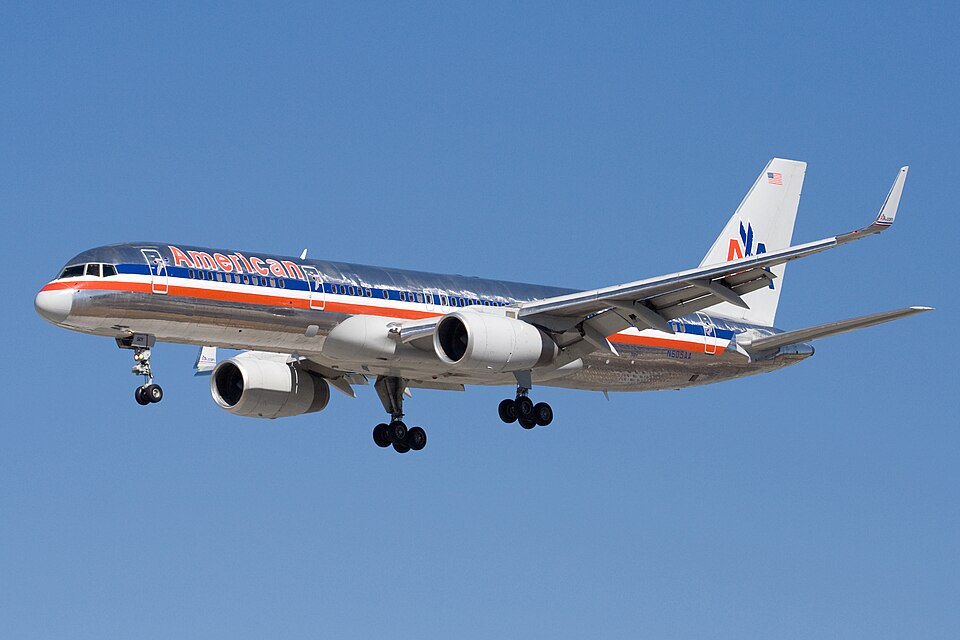
On 22 October 2013, a Boeing 757-200, registration N605AA, was operating a commercial passenger flight en route to Miami when smoke began to fill the cockpit. The crew followed the 'Smoke, Fumes and Fire' and 'Smoke Removal' checklists and diverted to Providenciales, Turks and Caicos Islands, without further incident. The smoke was attributed to a failed seal in a Low Pressure (LP) fuel pump, which allowed fuel to enter the oil system and subsequently the bleed air system. The engine manufacturer is conducting a detailed inspection of the fuel pump to determine the specific cause of failure.
History of the Flight
The aircraft was 100 nm south-east of Providenciales at 1430 UTC when smoke started to fill the cockpit. The flight crew donned oxygen masks and goggles and actioned the Quick Reference Handbook (QRH) checklist. They requested an emergency descent from Miami Air Traffic Control and initiated a diversion to Providenciales. A flight attendant reported smoke coming from the left engine, but no sign of fire. The crew completed the 'Smoke, Fumes and Fire' and 'Smoke Removal' checklists. Passing through 10,000 ft, the smoke dissipated enough for the crew to remove their masks and goggles. The aircraft landed at Providenciales Airport without further incident. Fluid was later observed leaking from the left engine.
Engine Inspection
The left engine was removed and inspected. The oil level was found to be low, and a strong smell of fuel was present in the oil system. A significant amount of debris was found on the magnetic chip detectors (MCD), particularly on the high-speed gearbox MCD. Further investigation revealed a heavily damaged seal on the LP fuel pump that was leaking, allowing fuel to enter the high-speed gearbox and then the oil system. The fuel pump had a recommended maintenance interval of 12,000 hours and had operated for 11,600 hours at the time of the incident.
Source of the Smoke
Engine pneumatic bleed air is taken from the HP2 and HP6 ports. The probable path of the smoke was from a main bearing seal in the Intermediate Pressure (IP) compressor section of the engine into the HP2 port, then into the left air conditioning pack and air conditioning ducts. This incident is believed to be the fifth occurrence on this engine type of a fuel pump fault resulting in smoke entering the bleed air system. The engine manufacturer is conducting a detailed inspection of the fuel pump to determine the cause of failure.