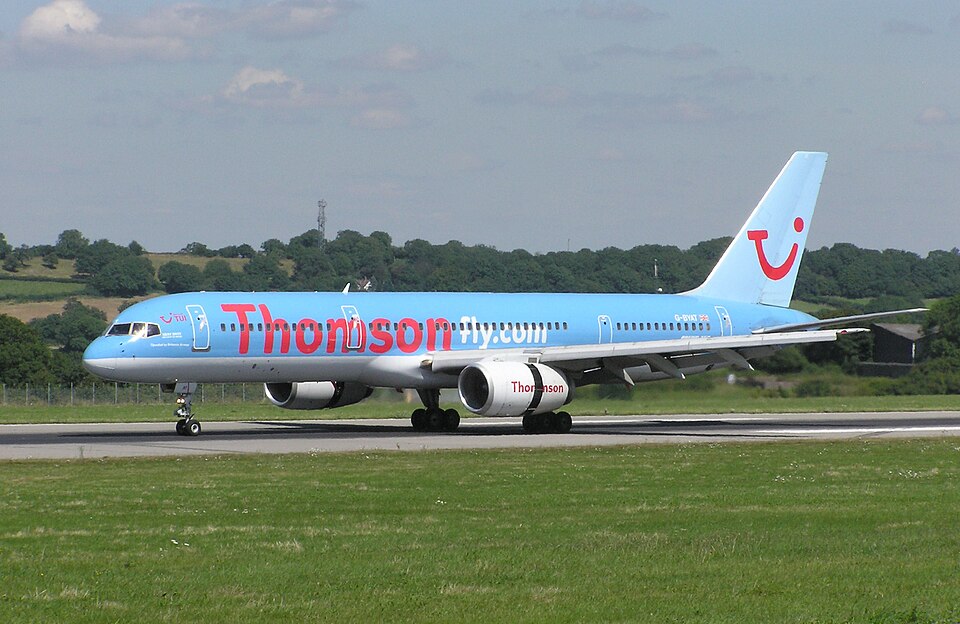
Incident Summary
On 15 February 2010, a Boeing 757-204, registration G-BYAT, operated by an unnamed airline, experienced an acrid smell shortly after arriving at Stand 28, Glasgow International Airport. The aircraft had just completed an uneventful flight from Funchal, Madeira, with 8 crew and 230 passengers on board. Passenger disembarkation had commenced via door L2 when the flight crew noticed a strong burning smell. The co-pilot briefly left the cockpit to check the forward galley, confirming the smell was intensifying, but no visible smoke was present. The commander then turned off the APU and the Utility busbars to isolate electrical power to the galleys and initiated the Smoke Removal checklist. Fire services were requested via the ATC ground controller.
Cabin Crew Actions and Evacuation
Simultaneously, the senior cabin crew member (SCCM) and other cabin crew detected the smell. The SCCM entered the flight deck and confirmed the odour was also present there. She then used the Alert Call on the cabin interphone to contact all crew, who reported the smell was strongest in the rear. The flight crew did not respond to this call. The SCCM returned to the flight deck but did not convey her concerns about evacuating, as the flight crew were busy. Deciding that passengers needed to disembark quickly, and with no rear steps available, she announced over the passenger address system: "Please evacuate the aircraft as quickly as possible. Leave all hand baggage behind." Cabin crew at the rear doors re-armed them and deployed the evacuation slides. A total of 43 passengers used the slides, with four receiving minor injuries. The flight crew were unaware an evacuation had been initiated until after it occurred.
Post-Event and Examination
After the evacuation, the Airfield Fire and Rescue Service (AFRS) boarded via the airbridge wearing breathing apparatus, and the cabin was checked clear. Passengers were assisted at the foot of the slides by AFRS and airport personnel. The operator's maintenance engineers traced the smell to the right recirculation fan, which was "barely running and giving off the burning smell." The unit was replaced; subsequent tests showed no further odour or damage.
Examination of the failed fan revealed that the rear rotor bearing had failed. The bearing's fibre cage had disintegrated, and there was no evidence of grease. Fragments from the grease shield suggested it may have come loose, allowing grease to escape and leading to bearing failure. The outer race had circumferential score marks, indicating spinning within its housing due to friction. The front bearing also showed grease leakage, suggesting the unit had been running hot. The fan's thermal cut-out was tested and found to operate at 156.6°C, slightly above the manufacturer's maximum specification of 154°C. The burning smell was likely caused by the burning grease.
Safety Actions
In response to the incident, the aircraft operator issued a Cabin Crew Notice clarifying when an evacuation can be initiated without the commander's order and outlining cabin crew responsibilities for evacuated passengers. The airport operator reviewed and amended its accident and incident communications process for Customer Services Duty Managers, ensuring that all agencies, including resident operators and handling agents, are automatically informed of any ground incident.