Introduction
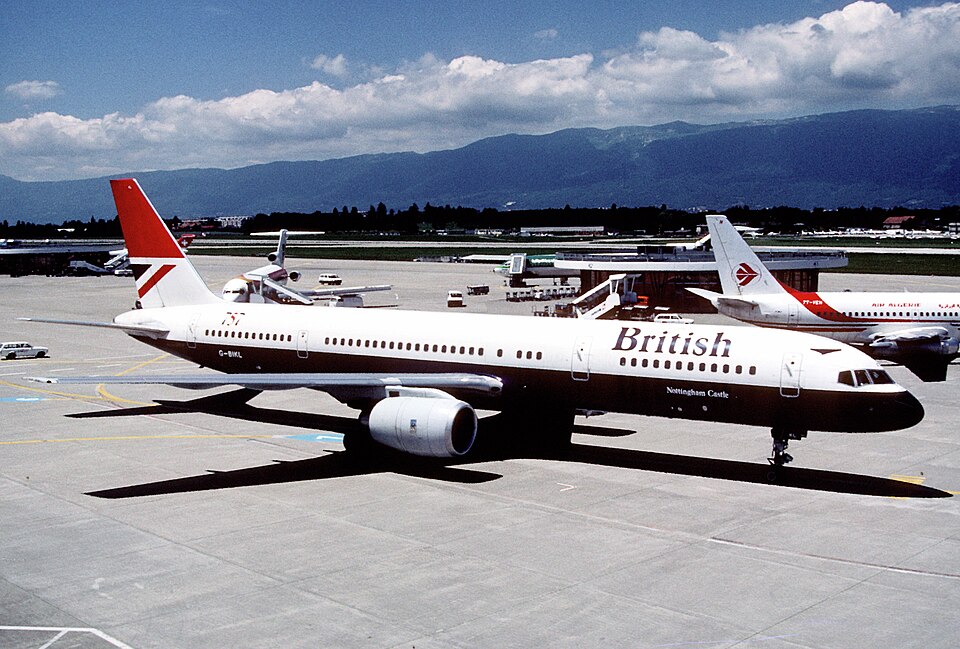
On 10 October 2000, at 1215 UTC, a Boeing 757-236, registration G-BIKL, experienced a lightning strike while on approach to Runway 19R at Amsterdam/Schiphol Airport. The aircraft was operated as a public transport passenger flight with only the crew on board: one commander and one first officer. The commander, aged 54, held an Airline Transport Pilot's Licence and had 16,300 total flying hours, including 6,909 hours on type.
Sequence of Events
The first officer was the handling pilot during the approach. A line of cumulonimbus clouds was present in the area, and the commander was providing steering advice to navigate between two decaying storm cells. The first officer was seated with his right hand and part of his right arm resting on the cockpit coaming near the right forward windscreen. At approximately 5,000 feet, the aircraft was struck by lightning just below the right windscreen.
The first officer perceived a loud bang and a bright flash, and described feeling as if he had been kicked in the chest. After recovering from the initial surprise, he experienced difficulty using his right arm. He handed over control to the commander and assumed the role of non-handling pilot.
Injuries
Upon landing, the first officer underwent a medical examination, which revealed a burn wound on his chest consistent with an electrical discharge. The first officer returned to flying duties two weeks later but subsequently developed a medical condition that may be a consequence of the incident. The source describes the injury as minor.
Aircraft Examination
An examination of the aircraft found no evidence of a lightning strike, and no damage was reported.