Incident Overview
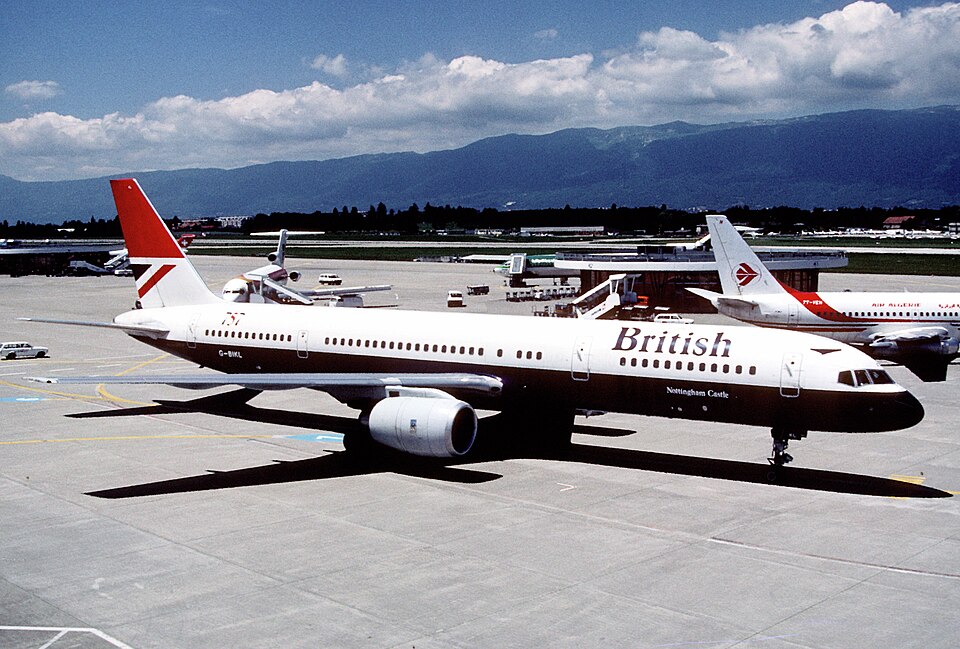
On 27 April 1998 at 0710 UTC, a Boeing 757-236, registration G-BIKL, experienced an in-flight medical emergency while on a public transport flight from Aberdeen to London Heathrow Airport. The aircraft, manufactured in 1983, was powered by two Rolls Royce RB211-535C-37 turbofan engines. There were 7 crew and 145 passengers on board; no injuries or damage were reported.
Flight Details
The commander, aged 52, held an Airline Transport Pilot's Licence with 12,995 total flying hours, including 3,478 hours on type. His recent flying experience included 110 hours in the last 90 days and 65 hours in the last 28 days. During the cruise, the commander reported to the first officer that he was feeling unwell with accompanying chest pains. The first officer was occupying the left-hand seat undergoing command training.
Medical Event
The flight crew declared an emergency, specifying a medical problem, to minimise flight time and avoid an expected 20-minute delay. The commander, who remained conscious and functional throughout, flew the approach as the handling pilot in accordance with standard operating procedures. An uneventful Instrument Landing System (ILS) approach and auto-landing were completed.
Aftermath
After landing at London Heathrow, the commander was taken to hospital and later treated successfully for angina. His previous medical examination, including an electrocardiogram (ECG), had been conducted on 1 April 1998, when a Class One medical certificate was issued. The Medical Branch of the CAA Safety Regulation Group advised that angina pectoris is a symptom commonly presenting as chest tightness or pain, usually caused by narrowed coronary arteries, and may not be detected by a resting ECG.