History of the Flight
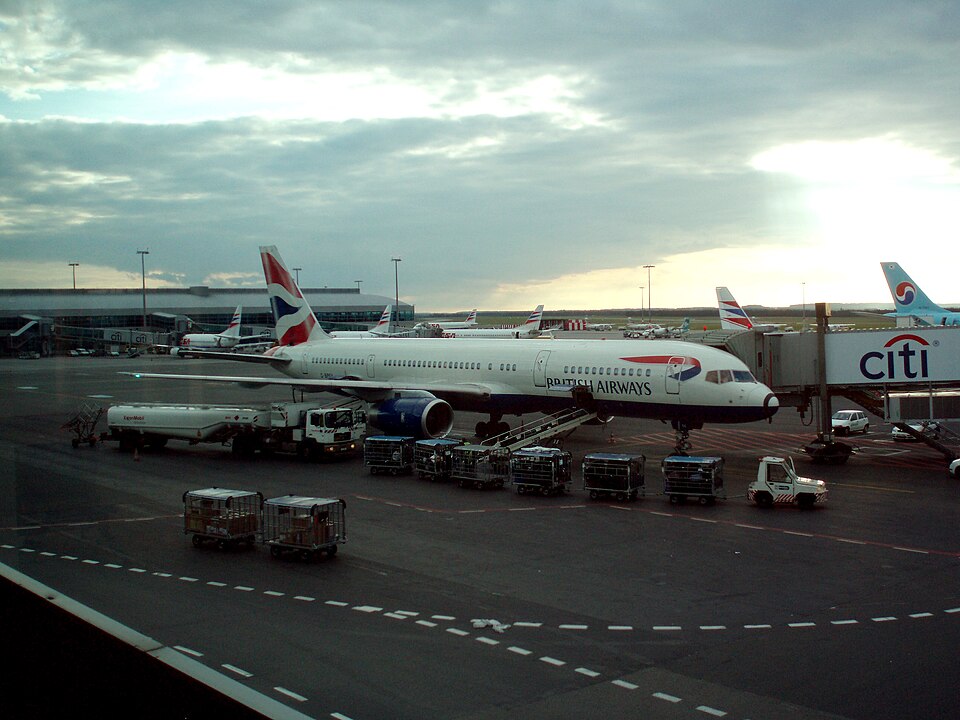
Shortly after takeoff from Heathrow Airport, the commander of the Boeing 757-236 (registered G-BPEC) was informed by ATC that another aircraft on the ground had reported thick black smoke coming from the left engine. During the climb, engine instruments were monitored but all indications remained normal. After radio discussions with the operator's ground engineering staff and a visual inspection of both engines from the cabin by the cabin services director, the flight to Milan continued. Later, a fuel imbalance was noticed. The first officer entered the cabin to check for smoke or fuel loss but found none. After further communication with ground engineering, a decision was made to divert to Geneva Airport.
A 'PAN' was declared to Geneva ATC, and the commander instructed the cabin crew to be prepared for a possible evacuation. During final approach to Runway 05, ATC requested the aircraft stop on the runway and provided the radio frequency for the Airport Fire Service (AFS). After an uneventful landing, the left engine was shut down.
Emergency Evacuation
The aircraft was quickly surrounded by AFS vehicles. The commander attempted to contact the AFS using the provided frequency but received no reply. He then contacted ATC to confirm the frequency and observed the AFS spraying foam around the left engine. With the auxiliary power unit running, the commander shut down the right engine and again called the AFS. This time, contact was established, and the AFS reported a fuel leak from the left engine, requesting an evacuation. The commander informed the AFS of very elderly passengers on board and asked to confirm evacuation using slides. The AFS confirmed, stating they did not have steps.
The Senior Fire Officer advised that evacuation via slides was essential because the fuel leak was substantial and running under the aircraft near the main landing gear, where heat from brakes caused fuel to vaporize, posing a potential major fire hazard. Evacuation of 89 of the 91 passengers was carried out using slides on the right side. Two elderly passengers unable to use slides remained onboard with the flight deck and cabin crew. The Fire Officer then determined there was no further threat, and the two passengers and crew disembarked using steps. The aircraft was towed off the runway to a parking stand.
Investigation
The operator conducted a detailed investigation and established that the fuel leak originated from the high pressure fuel pump, which had been replaced the night before the incident. The pipe from the fuel pump to the fuel flow governor leaked at the pump/pipe joint because one of the two securing bolts failed to secure the pipe correctly due to a damaged helicoil thread insert. After replacing the pump, a leak check ground run at idle power revealed no leaks. A subsequent high power engine run also showed no apparent leaks. The investigation highlighted several areas within the operator's procedures where changes or improvements would reduce the risk of recurrence, and eight internal safety recommendations were formulated.