History of the Flight
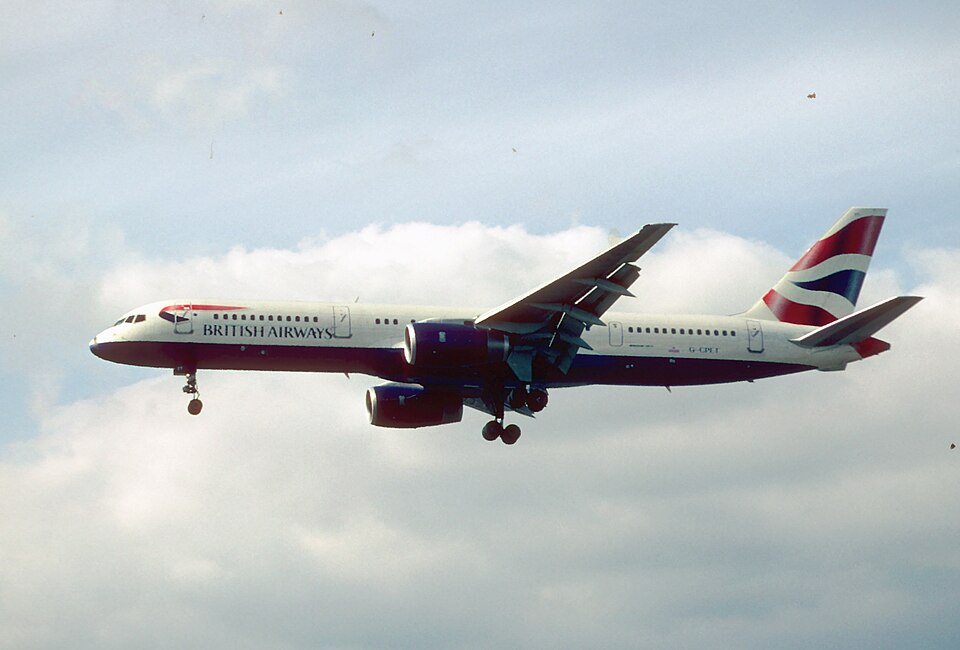
On 4 October 2006, at 1300 UTC, a Boeing 757-236 (registration G-CPET) departed on a scheduled passenger flight from Madrid to London Heathrow Airport. Shortly after takeoff, the flight crew noticed a transient oily smell in the cockpit. During the cruise, both crew members began to feel unwell. The commander developed a headache and an oily taste in his mouth, while the co-pilot experienced a raw throat and dry mouth. As their condition worsened, they donned oxygen masks and declared a PAN. After donning the masks, both crew members began to recover, though they noted disorientation and difficulty concentrating. The commander reported feeling confused. The crew performed the 'SMOKE - FUMES AIR CONDITIONING' checklist from the Quick Reference Handbook. A normal approach was flown, and an automatic landing was performed on Runway 27R at London Heathrow. After vacating the runway, the aircraft was stopped to assess the situation; the crew deemed it safe to continue taxiing to the terminal without further incident.
Aircraft Information
Following the incident, the aircraft was inspected according to the airline's troubleshooting procedures for oil fume events. No related defects were initially identified, and the aircraft was returned to service. Further inspections on 16 October 2006 also proved inconclusive. On 18 October 2006, two additional sectors reported transient oil fumes in the cockpit during initial climb, but the source could not be identified. On 3 November 2006, another report of transient oil fumes during takeoff occurred, with the flight crew feeling nauseous by the end of the flight. This time, engineering inspections found oil staining on the left engine Low Pressure (LP) compressor outlet guide vanes between the 5 o'clock and 6 o'clock positions. The left engine was removed on 6 November 2006 and sent to an overhaul agency for strip and repair.
Engine Examination
The left engine (serial number 31482) had accumulated 17,759 hours and 13,551 cycles since new, and 2,150 hours and 1,532 cycles since its previous overhaul. Strip examination revealed evidence of oil leakage from the LP compressor speed sensor wiring conduit. The speed sensor is mounted at the LP compressor front roller bearing housing, with wiring routed radially outward through a conduit filled with silicone. Over time, the sealant in the conduit can deteriorate, allowing engine oil to pass through and leak into the compressor air path. A portion of this oil can be ingested into the bleed air system, which supplies the air conditioning packs, leading to reports of oil fumes in the cockpit and/or cabin. After repairs, the engine was run satisfactorily in a test cell, and internal visual inspection after testing showed no evidence of oil leakage.
Additional Information
The issue of fumes in the cockpit and cabin on the Boeing 757 and other aircraft has been widely discussed in the aviation industry. The AAIB Formal Report 1/2004 detailed findings from an investigation into contamination of cockpit and cabin air supply by engine oil fumes and included studies on physiological effects. In December 2000, the UK CAA issued Flight Operations Department Communication (FODCOM) 17/2000 with safety advice on using oxygen masks during smoke or fume events, later updated by FODCOMs 14/2001 and 21/2002.