Incident Overview
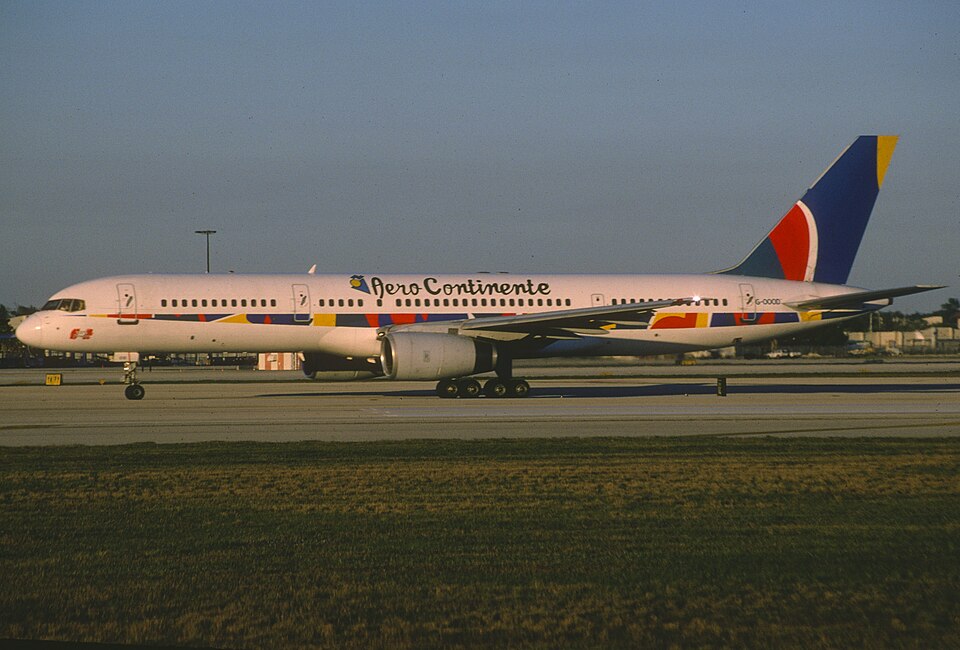
On 17 February 2003, a Boeing 757-28A (registration G-OOOD) was operating a public transport positioning flight from Cardiff to Rome with no passengers and 8 crew members. During the late stage of takeoff, an Engine Indication and Crew Alerting System (EICAS) message 'R ENG HI STAGE' appeared. The crew continued the takeoff and, once above minimum safe altitude, executed the relevant quick reference handbook (QRH) drill, which involved switching off the right engine bleed system. This restriction limited the aircraft's ceiling to flight level (FL) 350.
Cabin Altitude Emergency
The aircraft climbed to FL350. Approximately one minute after leveling off, an EICAS warning 'CABIN ALT' activated. The pilots donned their oxygen masks and initiated an emergency descent. During the descent, the crew observed that the cabin outflow valve was fully closed, yet the cabin altitude continued to climb through 10,500 feet. Once established in the descent, the cabin altitude began to decrease.
Decision and Diversion
As no passengers were on board, the commander decided not to deploy the emergency passenger oxygen system. A MAYDAY call was transmitted, and the crew opted to divert to London Gatwick. The aircraft landed without further incident.
Background
The incident adds to previous occurrences where a lightweight Boeing 757 with one bleed system inoperative could not maintain cabin altitude below 10,000 feet. In response, Boeing issued Service Letter 757-SL-21-055 on 12 February 2003, which describes a ground procedure to help operators determine if the aircraft can maintain cabin pressure in flight with a single air conditioning pack. The operator is implementing the recommendations on two aircraft and will assess whether a fleet-wide maintenance program modification is needed.