Incident Details
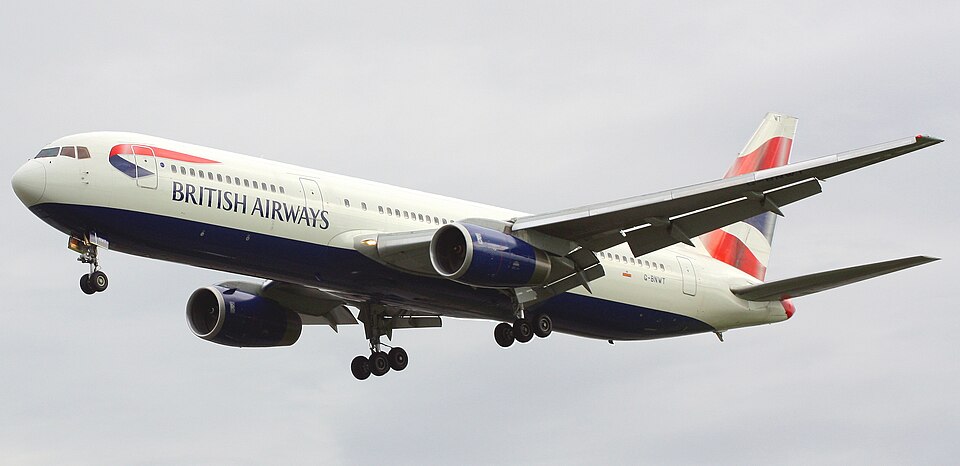
On 6 March 1998, a Boeing 767-336 (registration G-BNWT) took off from Tel Aviv Airport, Israel, on a public transport flight to London. Approximately 15 minutes after departure, the left engine suffered a total loss of oil. The crew returned to Tel Aviv and performed an overweight landing using only the right engine, as the left engine was inoperative. During the landing rollout, the right engine thrust reverser was not serviceable, causing the brakes to become very hot. After taxiing to a gate, passengers disembarked normally. Subsequently, the fusible plugs in the wheels of the left landing gear activated, deflating all four tyres on that gear.
Examination Findings
Initial examination revealed that the left engine accessory gearbox casing had been punctured, releasing all of the engine oil. The engine was replaced and later returned to London Heathrow for detailed inspection. A strip examination of the engine high speed gearbox found that the starter driven bevel gear had failed. This failure caused secondary damage to the casing and the fan cowl door. The failure was determined to have been precipitated by high engine starting torque, which led to a crack that propagated in low cycle fatigue. The crack extended through the gear diaphragm, resulting in the release of a section comprising three to four teeth. This failure was classified as typical of several previously experienced.
Corrective Actions
The engine manufacturer had issued a Service Bulletin (SB) requiring replacement of the bevel gear with a more robust gear featuring a thicker diaphragm. The failed gear was of the earlier standard. The operator was incorporating the SB at every high speed gearbox overhaul shop visit. A campaign was initiated to remove all earlier standard gears, with the expectation that all such gears would be removed within 18 months. Meanwhile, earlier standard gears remaining in service were subject to regular inspections based on the manufacturer's current bevel gear reliability statistics. Engineering work was also underway to lower the peak starting torque loads experienced by the gear through a modification to the start valve, expected to be cleared by August 1998.