Incident Overview
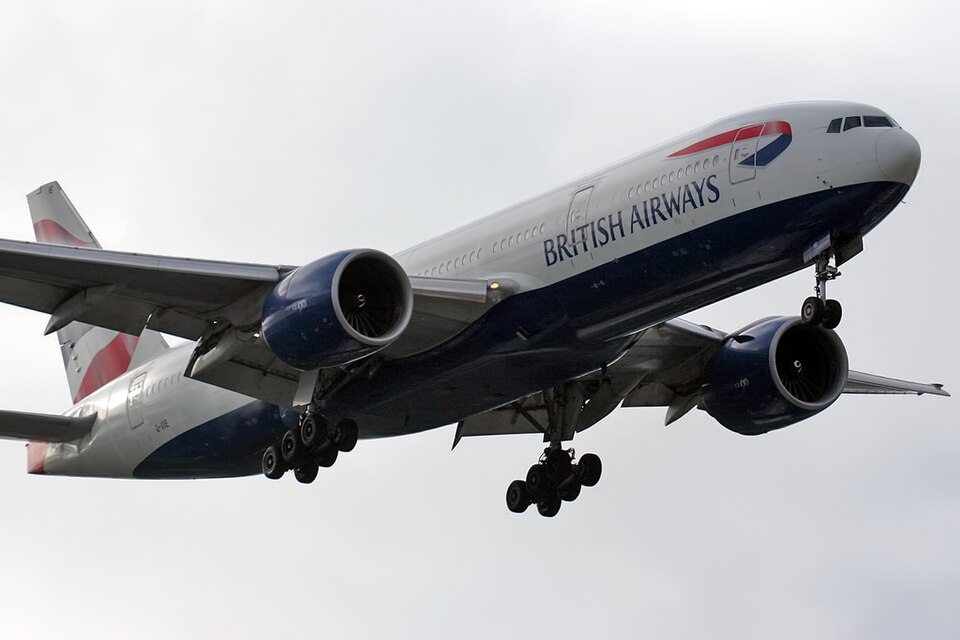
On 8 August 1999, a Boeing 777-236, registration G-VIIE, was en route over Bristol after departing from London Heathrow (LHR) at 2000 UTC. During the climb, while passing FL260, the flight crew and passengers noted a blue/grey haze and acrid fumes in both the flight deck and passenger cabin. The crew declared an emergency as a 'PAN' and commenced a return to LHR.
Crew Actions
Upon detecting the fumes, the flight crew immediately donned oxygen masks and initiated the smoke removal and fuel jettison checklists. A normal autoland was completed at LHR. After landing, the runway was cleared, and fire services confirmed no signs of smoke. The aircraft was then taxied to the stand for a normal disembarkation. None of the 15 crew or 261 passengers reported injuries.
Ground Investigation
On the ground, the engines and their associated air-conditioning packs were run, as well as the Auxiliary Power Unit (APU), but the defect was not reproduced. Inspection of the engine and APU pneumatic ducting revealed no signs of oil residue or contamination. However, further inspection of the APU buffer air circuit identified that its vent tube was blocked.
Remedial Actions
Due to several previous experiences of oil contamination from the APU buffer air system—which supplies air pressure to the back of the carbon seal at the rear of the APU load compressor—the APU was replaced as a precaution. Additionally, the left air-conditioning pack dual heat exchanger was changed for suspected oil contamination. After replacement, engine and APU ground runs were conducted with no odours noted. The aircraft re-entered service with no recurrence of the problem. The removed APU was returned to the manufacturer for investigation under warranty.
Damage and Injuries
No damage was reported to the aircraft, and no injuries occurred among crew or passengers.