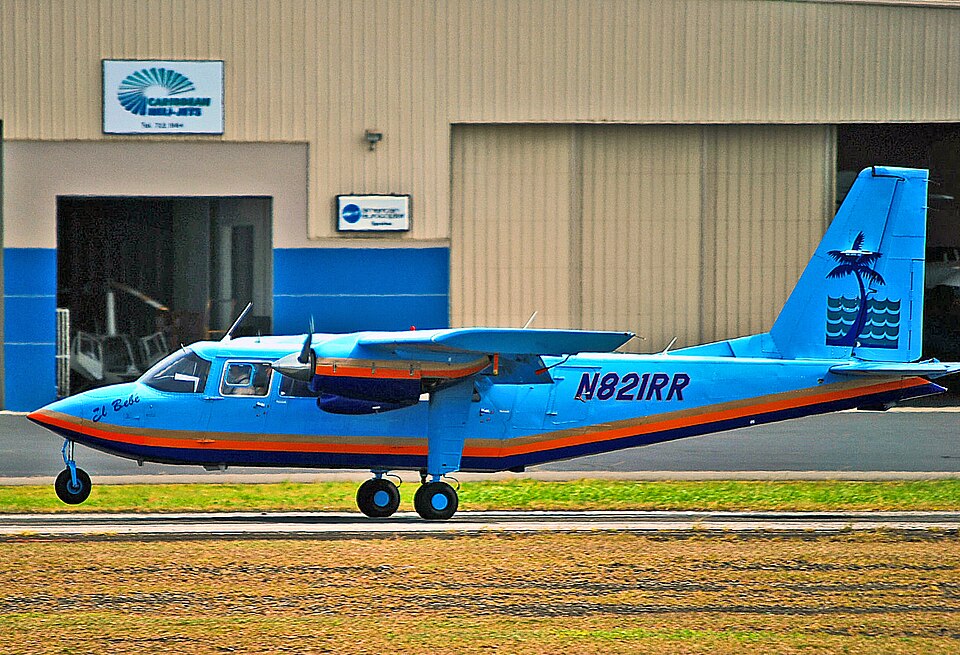
Accident Overview
A flight instructor and a new-hire pilot were conducting a training flight. The accident occurred during the pilot's first flight in the airplane and his first landing. The flight instructor chose an airport with a challenging approach that required a special training program prior to the first landing.
Sequence of Events
The pilot stated that the approach was flown at the upper end of the allowable approach speed and about 100 feet above the normal glidepath. The approach procedure required a left 40° turn followed by rolling the wings level just before touchdown. During the landing, all three of the airplane’s landing gear touched down at the same time. Immediately after touchdown, the airplane veered to the right and continued off the right side of the runway.
Damage
The airplane sustained substantial damage to the right-wing structure.
Probable Cause and Contributing Factors
According to the official investigation, the probable cause of the accident was the flight crew’s failure to arrest the descent rate during the non-standard approach, which resulted in a hard landing and failure of the right-wing structure. A contributing factor was the flight instructor’s selection of a challenging approach for initial training.