1 fatality

Firefighting Aircraft Collides with Hill in Italy, Captain Killed, Copilot Injured (I-DPCX)

Acciano, ItalyFlight

On July 23, 2007, a Canadair CL-415 (registration I-DPCX) operated by SOREM - Società Ricerche Esperienze Meteorologiche was involved in an aviation accident near Acciano, Italy in flight. One person was killed. Investigators recorded the probable cause as: Even if it was not possible to define with certainty why the aircraft impacted against the ground, it is nevertheless considered reasonable that the impact occurred as a result of improper management of the manoeuvre by the crew, the result of an inadequate… This summary draws on records from the Bureau of Aircraft Accidents Archives (B3A); 3 related events involving the same aircraft type or operator are linked below.

Sourcesthe Bureau of Aircraft Accidents Archives (B3A)Primary reportUpdated 2026-06-11Data APIEditorial standards
Aircraft registered I-DPCX
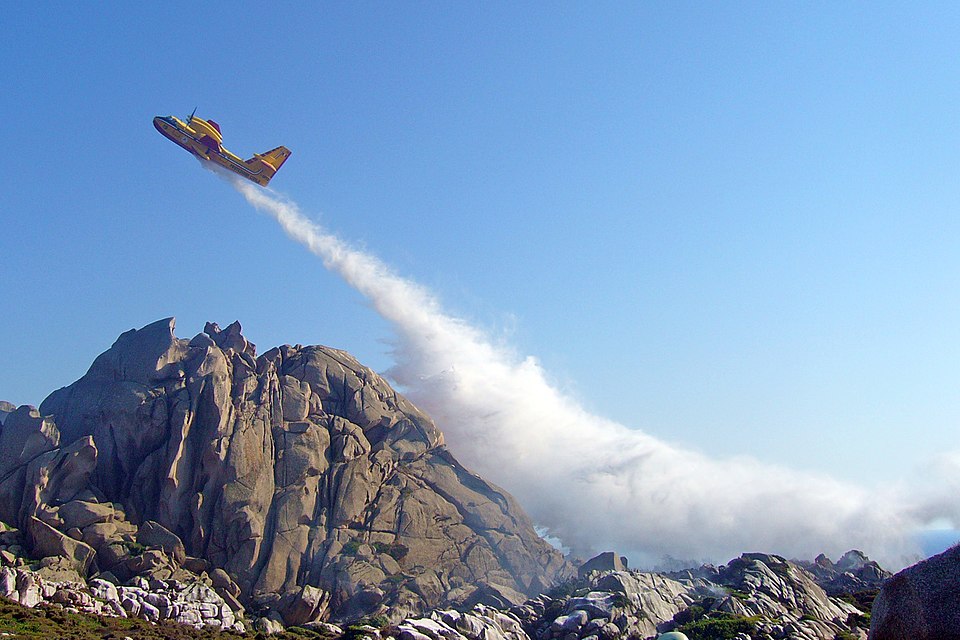
Aircraft registered I-DPCX. Photo: Roberto Ferrari from Campogalliano (Modena), Italy / CC BY-SA 2.0, via Wikimedia Commons

A firefighting aircraft under callsign CAN19 struck a hill near Acciano, Italy, while approaching a wildfire. The captain was killed, the copilot seriously injured. The wreckage was found at 1,155 meters altitude.

Accident

On a firefighting mission in the Sirente-Velino Regional Natural Park, the crew of CAN19 departed Pescara-Liberi Airport at 1719LT. While approaching the area under fire, the aircraft initiated a slight turn to the right. It then collided with the top of a hill and disintegrated, bursting into flames. The wreckage was located at an altitude of 1,155 meters near Acciano.

Injuries

The captain was killed in the accident, while the copilot sustained serious injuries.

Investigation

The investigation determined that while it was not possible to define with certainty why the aircraft impacted the ground, it was considered reasonable that the impact resulted from improper management of the manoeuvre by the crew, due to an inadequate assessment of the flight altitude relative to the hilltop, compounded by critical environmental conditions. These conditions included strong turbulence, strong wind, and visibility affected by smoke. The probable cause was attributed to a combination of human and environmental factors.