Accident Overview
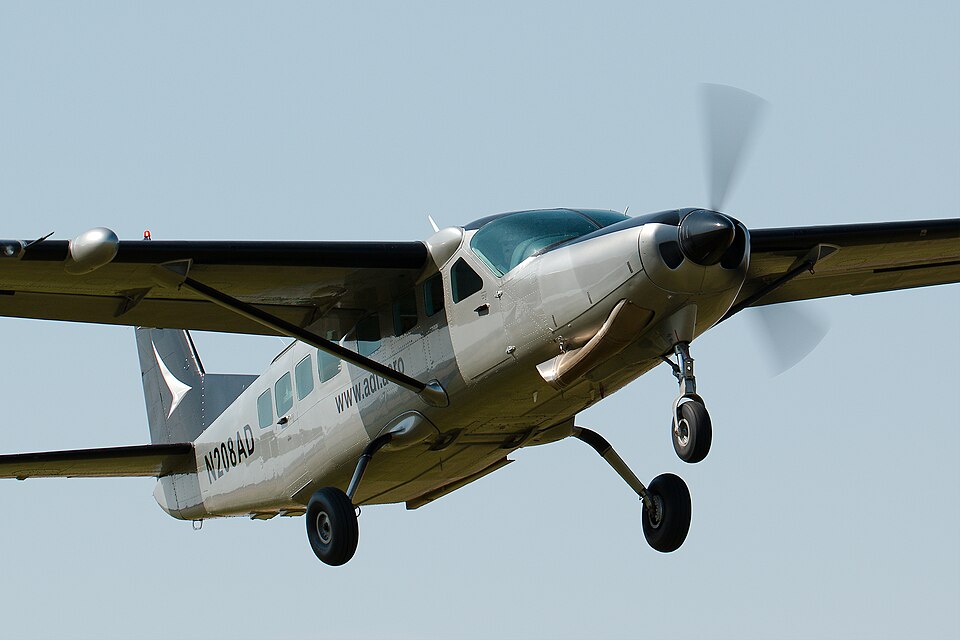
A Cessna 208B aircraft experienced a power loss shortly after takeoff. The pilot initiated a forced landing. During the ground roll, the nose wheel sank into soft terrain, causing the airplane to nose over.
Investigation Findings
Following the accident, investigators found fuel present in both wings. However, the fuel line between the fuel selector and the engine contained only trace amounts of fuel. Examination of the fuel selectors revealed that one was in the OFF position, and the other was in a mid-range position between OFF and ON.
The aircraft was equipped with an annunciator warning light and horn designed to alert when either fuel selector was turned off. The annunciator was found popped out and not making contact with the annunciator panel. The warning horn was tested and found to be inoperative, though the electrical circuitry leading to the horn was functional.
Engine testing was conducted with no problems noted.
Pilot and Handbook Information
According to the Pilot's Operating Handbook, the position of the fuel selectors should be checked three times before takeoff: during cabin preflight, before engine start, and before takeoff.
The pilot reported that he departed with both fuel selectors in the ON position and stated that he had not touched them when the power loss occurred.
A representative from Cessna Aircraft Company indicated that there was sufficient fuel forward of the fuel selector valves to allow for takeoff and flight of a few miles before fuel exhaustion would occur.
Probable Cause
The official probable cause was the pilot's failure to verify the position of the fuel selectors prior to takeoff, which resulted in a power loss due to fuel starvation. A contributing factor was the failure of the fuel selector warning horn.