5 fatalities

Twin-Engine Aircraft Crashes Short of Runway on Final Approach (N401RA)

Morrisville, United States of AmericaLanding (descent or approach)

On April 2, 1970, a Cessna 401 (registration N401RA) operated by Roberts Construction was involved in an aviation accident near Morrisville, United States of America during landing or approach. 5 people were killed. Investigators recorded the probable cause as: Improper IFR operation on part of the pilot-in-command. Contributing factors: Improper compensation for wind conditions, Sudden windshift, Erratic flight path after passing outer marker, ILS straight-in approach, Strong windshift reported at approximately 400… This summary draws on records from the Bureau of Aircraft Accidents Archives (B3A); 1 related events involving the same aircraft type or operator are linked below.

Sourcesthe Bureau of Aircraft Accidents Archives (B3A)Primary reportUpdated 2026-06-12Data APIEditorial standards
Aircraft registered N401RA
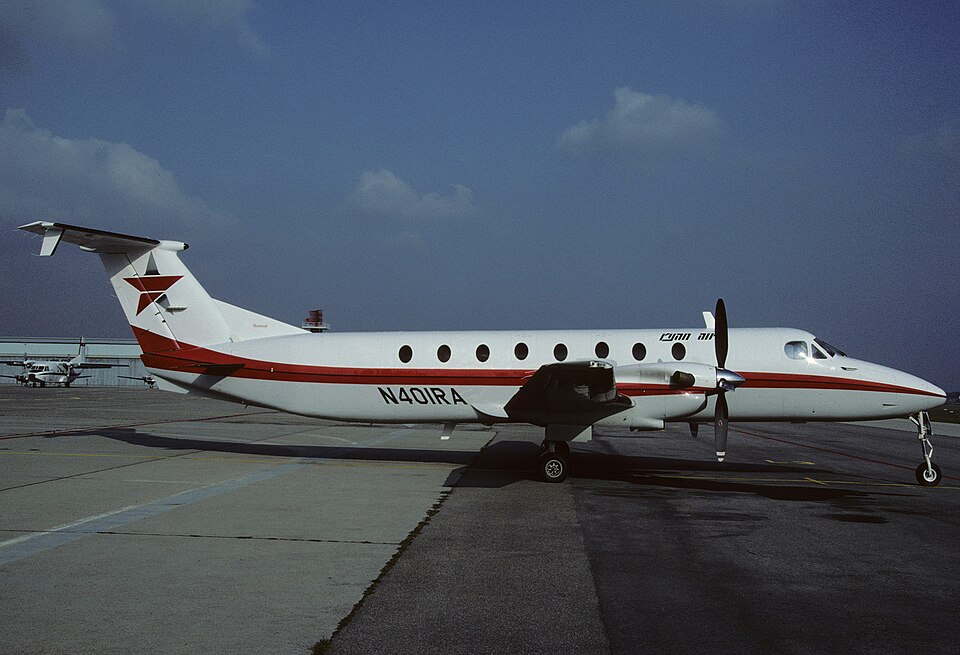
Aircraft registered N401RA. Photo: Jean-Luc ALTHERR / CC0, via Wikimedia Commons

A twin-engine aircraft on final approach in poor weather lost control, struck trees, and crashed in an open field short of the runway. The aircraft was destroyed; all five occupants were killed. The probable cause was improper IFR operation by the pilot.

Accident Overview

A twin-engine aircraft was conducting an instrument landing system (ILS) straight-in approach under poor weather conditions. During the final approach segment, the aircraft went out of control, struck trees, and crashed in an open field located short of the runway threshold. The airplane was destroyed in the impact and subsequent post-crash fire. All five occupants on board were killed.

Final Approach

After passing the outer marker, the aircraft exhibited an erratic flight path. Weather conditions included a strong windshift reported at approximately 400 feet above ground level. The pilot-in-command was flying the aircraft under instrument flight rules (IFR) but failed to compensate properly for the wind conditions. A sudden windshift further destabilized the approach, leading to loss of control.

Probable Cause

The official investigation determined that the probable cause of the accident was improper IFR operation on the part of the pilot-in-command. The following contributing factors were identified:

  • Improper compensation for wind conditions
  • Sudden windshift
  • Erratic flight path after passing the outer marker
  • ILS straight-in approach
  • Strong windshift reported at approximately 400 feet