What happened
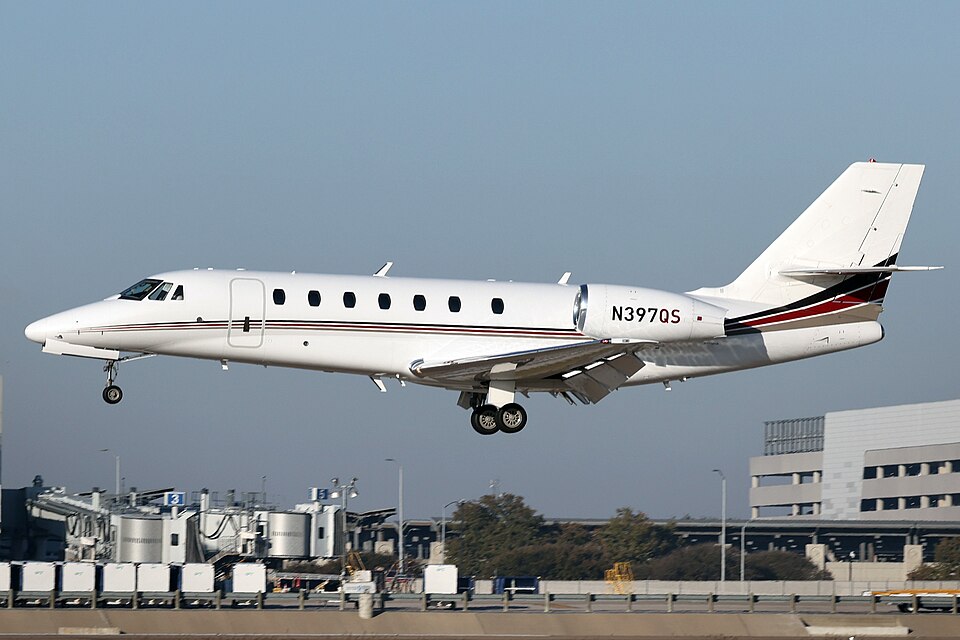
During a visual approach to a runway measuring 3,975 feet in length, a turbojet aircraft experienced an extended landing roll. The pilot in command reported that the descent and approach speeds appeared standard while flying over the trees. However, as the aircraft descended toward the runway at idle power, the pilot observed the airspeed increasing by 16 knots above the reference speed. Despite this increase, the decision was made to continue the landing because of the proximity to the runway and the perceived availability of extra distance.
The aircraft subsequently floated past the intended touchdown point, eventually making contact with the runway approximately 2,100 feet beyond the threshold. As the plane traveled through the final third of the runway, it veered to the right without pilot input, leading to an excursion past the departure end of the runway and a collision with trees. Following the impact, the crew attempted to shut down the engines; while one engine was successfully deactivated, the intense vibrations prevented the shutdown of the second. After the occupants were evacuated, a fire broke out and consumed the wreckage.
Findings
Investigation into the incident revealed no mechanical or maintenance issues with the aircraft. Calculations based on the flight manual and environmental conditions—including a temperature of 30 degrees Celsius and zero wind—estimated that the required total stopping distance at reference speed would be approximately 2,955 feet. The primary factor in the accident was the failure to land the aircraft at an appropriate touchdown point to ensure sufficient runway remains for deceleration.