Incident Details
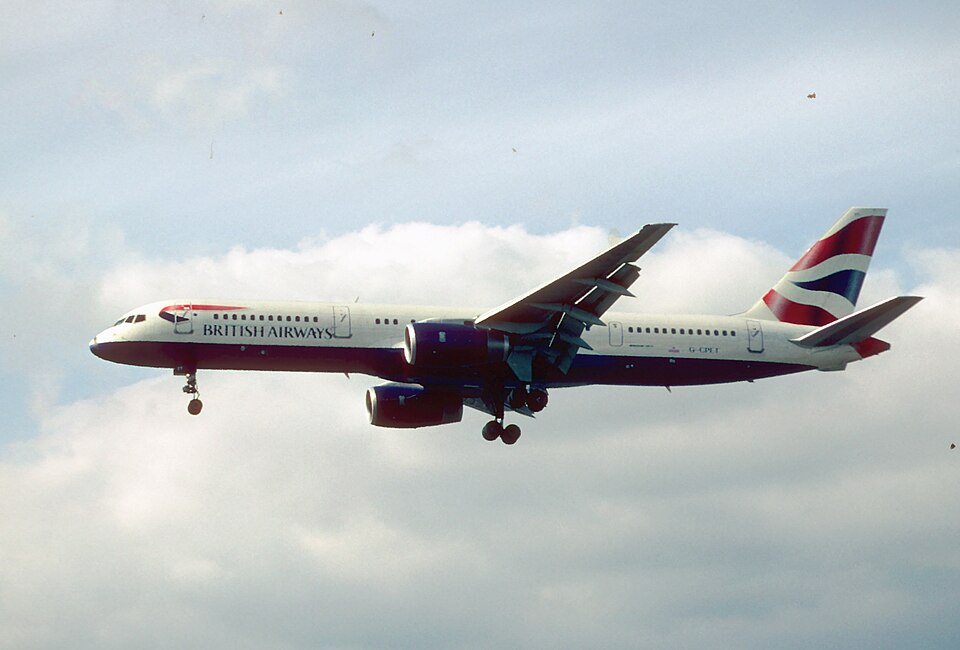
On 10 March 2006 at 0810 UTC, a Boeing 757-236, registration G-CPET, was at London Heathrow Airport. After starting both engines, the co-pilot detected a smell of fumes and discussed the matter with the commander. After approximately two minutes of taxiing, the co-pilot began to feel light-headed, euphoric, and unwell. The commander also experienced light-headedness. The aircraft was halted on the taxiway to assess whether the situation would improve.
Crew Actions
Both flight crew members continued to feel abnormal; the co-pilot considered himself partially incapacitated. Cabin staff appeared unaffected by the fumes. The crew decided to shut down both engines as they no longer felt fit to taxi the aircraft. The aircraft was then towed back to the stand.
Correction
The initial AAIB report had stated that the aircraft had taxied under its own power before stopping. In fact, the aircraft had been pushed back and had not taxied under its own power. This correction was published in AAIB Bulletin No 9/2006.