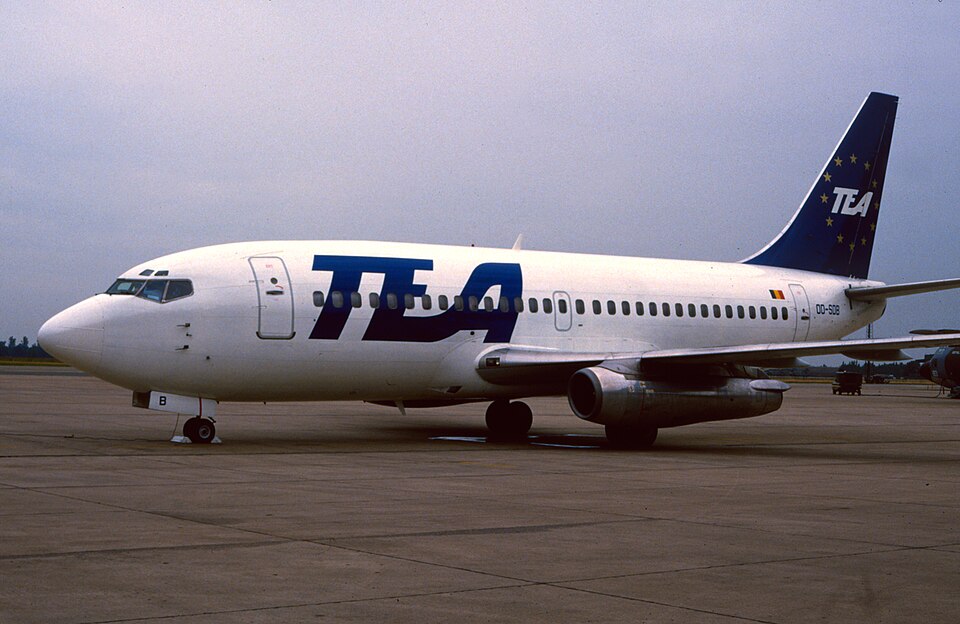
Incident
An aircraft departed Brussels-Haren Airport at 1717 local time on an IFR flight plan bound for Rome. Radio communications with area control centers in Zurich, Milan, and Rome indicated a normal flight. The last message from the aircraft was received at 1953 local time. At approximately 1950, the aircraft overflew the village of Leonessa and continued on a heading of 163 degrees. It then struck the slope of Mount Costone dell'Acquasanta at an altitude of 1,700 meters, after breaking off the tops of trees in a wood along the impact path. The wreckage was discovered one week later. All 29 persons on board were killed, among them Italian actress Marcella Mariani.
Investigation and Probable Cause
The official investigation determined that the probable cause of the accident was that navigation was conducted without making use of all available radio aids that would have permitted checking and correcting the aircraft's drift. The crew remained unaware of the drift. Instead of confirming their position over the Viterbo beacon, they merely assumed they were overhead, leading to an erroneous application of the approach procedure for the Rome terminal area, which requires overflight of the Viterbo beacon.
Contributing factors included crosswinds stronger than forecast, weather conditions unfavorable for medium-frequency radio reception, and the crew's apparent lack of doubt about their position as indicated by radio messages. The gradual uncontrolled eastward drift likely began along the Alpine route due to atmospheric conditions, including a jet stream. At 1951 local time, the aircraft transmitted a message stating it had passed the Viterbo beacon one minute earlier, but in fact it struck the ground two minutes later at a point more than 60 kilometers east of Viterbo, on a heading of 163 degrees.