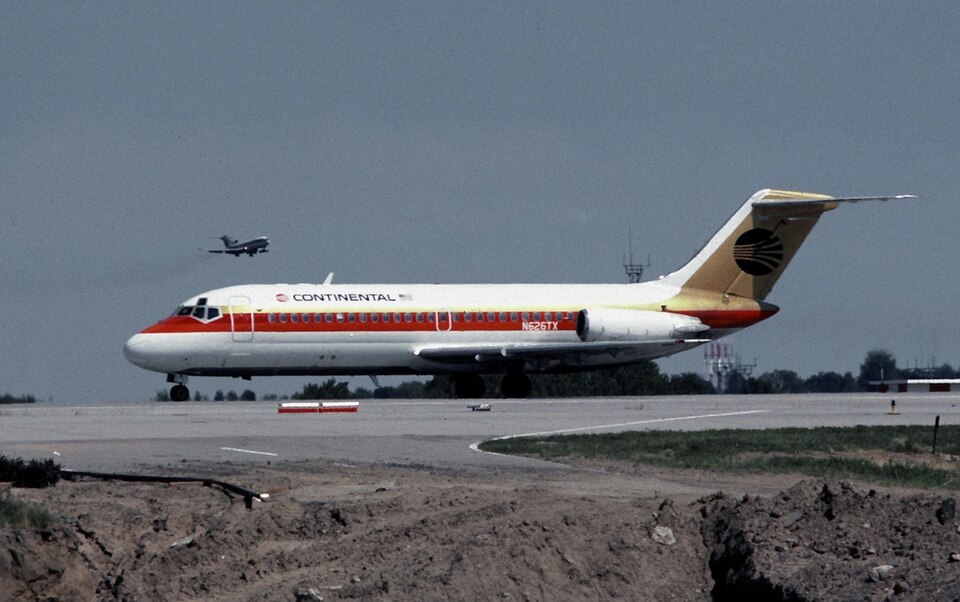
Accident Overview
Moderate snow and freezing temperatures prevailed at the time of the accident. The aircraft, operated under company procedures requiring repeat de-icing in icing conditions when delays exceed 20 minutes, experienced a 27-minute interval between the initial de-icing and takeoff. During takeoff, the first officer over-rotated the aircraft, leading to a loss of control, a stall, and impact off the right side of the runway.
Contributing Circumstances
The departure clearance was delayed due to confusion between the flight crew and air traffic control, attributed to procedural errors. Company regulations mandated a second de-icing treatment if the delay surpassed 20 minutes in such weather conditions, but this was not performed.
Crew Experience and Background
Both pilots were relatively inexperienced in their current roles. The captain had accumulated 33 hours of experience as a DC-9 captain. The first officer had a total of 36 hours of jet experience, all of which were on the DC-9. Training records indicated the first officer demonstrated a weak scan and had experienced performance issues with previous employers. The first officer had been on reserve and had not flown for 24 days prior to the accident flight. This trip was assigned to the first officer for proficiency purposes and represented only the second trip as a DC-9 first officer.
Other Factors
Wing vortices from a landing aircraft on a parallel runway were determined not to be a factor in the accident.