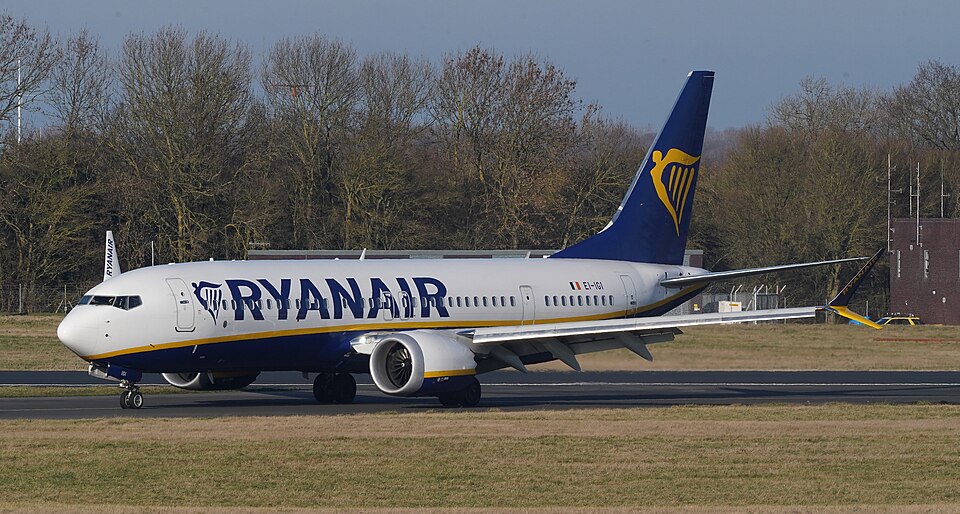
What happened
On October 1, 2024, a Boeing 737-8200 registered EI-IGI, operated by Ryanair, landed at Orio al Serio Airport (Bergamo) in Italy. The aircraft was operating with the anti-skid system inoperative due to a maintenance deferral. During the landing roll, the crew applied the wheel brakes before deploying the speedbrakes and before the nose gear touched down. This sequence caused the main landing gear wheels to lock up, resulting in significant damage to the aircraft and the runway surface. No fatalities were reported.
The investigation
The Italian National Agency for Flight Safety (ANSV) examined the flight data recorder, cockpit voice recorder, and maintenance records. The investigation established that the anti-skid system was deactivated on both channels, despite indications suggesting only one channel was inefficient. The ANSV analyzed the crew's actions against standard operating procedures and found that the sequence of brake application preceded the deployment of aerodynamic brakes (speedbrakes) and the nose gear touchdown (WOW). This delayed the activation of thrust reversers and led to the wheel lockup.
Findings
The primary cause was the inadequate sequence of actions applied by the crew during landing with the anti-skid system inoperative. Contributing factors included:
- The prevalence of procedural memory from numerous landings with a functioning anti-skid system.
- Insufficient training for crews on landings with the anti-skid system inoperative.
- The deactivation of both anti-skid channels when only one was identified as inefficient.
Additional contributing elements cited by the ANSV include:
- Discrepancies between the Aircraft Maintenance Manual (AMM) and the Minimum Equipment List (MEL) regarding the deactivation of operative anti-skid channels.
- Insufficient emphasis in applicable manuals on the critical requirement to deploy speedbrakes before applying wheel brakes when anti-skid is inoperative.
Safety action
The ANSV issued three safety recommendations addressed to Boeing: 1. Integrate adequate initial and recurrent training for anti-skid inoperative landings into the Operational Suitability Data (OSD), including Flight Simulator Training Device (FSTD) sessions. 2. Include an exhaustive sequence of actions in the MMEL or other publications for anti-skid inoperative landings, highlighting critical actions with specific CAUTIONs. 3. Harmonize instructions between the MMEL/MEL and AMM regarding the deactivation of operative anti-skid channels, adopting the term "must" to ensure clarity.